The Bigger the Project.
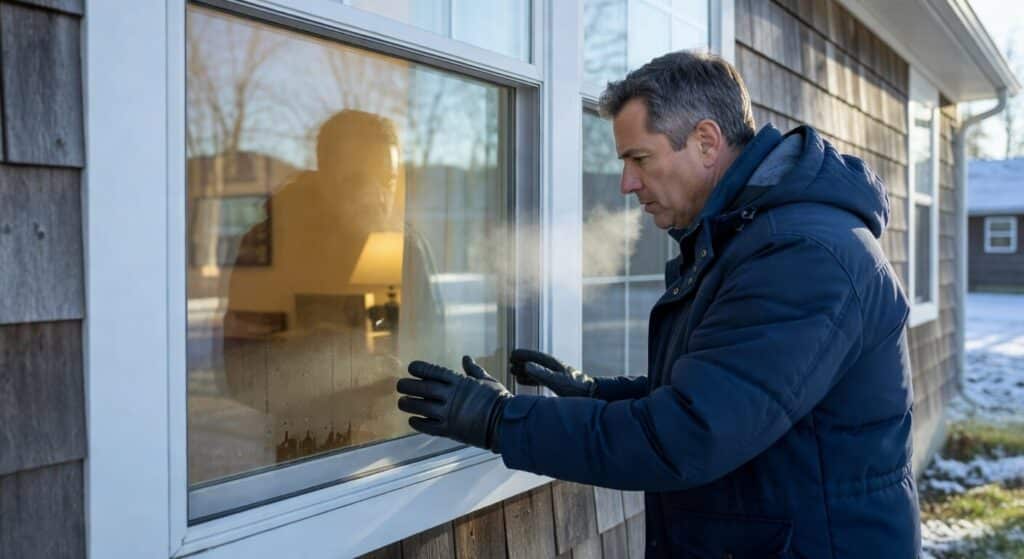
• Spotting the signs your windows are losing heat early can help you catch drafts, cold glass, and worn seals before your energy bills climb.
• A simple checklist makes it easier to find problem windows, compare comfort in each room, and decide whether a repair or replacement is needed.
• Helpful winter window tips can improve home comfort, reduce heat loss, and keep your Fayetteville home more efficient during colder weather.
Spot Heat Loss Before It Gets Worse
One clear goal is to catch signs your windows are losing heat early so you can keep your home more comfortable through the cold months in Fayetteville. When heat slips out around the glass or frame, your rooms may feel chilly even when the heater is running.
Start by looking for drafts, cold spots, and rising energy bills near your windows. If you want help with related home exterior issues, roof repair and maintenance services can also support better comfort and protection.
Pay attention to windows that feel cold to the touch or let in a noticeable breeze during winter days. Catching these warning signs early can help you decide whether a repair, seal update, or replacement is the next best step.

Windows Heat Loss Checklist
Use this quick checklist to spot the signs your windows are losing heat before colder weather makes the problem worse. A few simple checks can help you see where warm air is escaping and where your home may need attention.
- ✅ Feel around the window frame for cold air
- ✅ Look for condensation between panes
- ✅ Check for peeling caulk or worn seals
- ✅ Notice rooms that stay colder near the windows
- ✅ Watch for higher energy bills in winter
- ✅ Check if window glass feels unusually cold
- ✅ Look for drafts on windy days
- ✅ See whether old windows are hard to close tightly
These simple checks can help you spot problems early and decide if your windows need sealing, repair, or replacement. If you catch the issue soon, you can often improve comfort before heat loss becomes more expensive.
In Fayetteville’s winter season, small window problems can make a big difference in how warm your home feels. Taking time to review these warning signs can help you stay ahead of drafts and keep your home more efficient.
Additional Advice
Once you notice drafty windows, it helps to act fast before the problem gets worse. Small gaps around the frame can let warm air slip out and make your heating system work harder than it should.
One common mistake is waiting until the coldest days to check for window issues. That is when heat loss is easiest to feel, but it can also be harder to fix quickly, especially if seals or caulk have already worn down.
If your windows are aging, damaged, or poorly fitted, a simple patch may not solve the issue for long. In that case, it may be smart to talk with a local expert about window and exterior repair services that can help improve comfort and protect your home.
Homeowners should also keep an eye on nearby exterior parts of the house, since weak spots in siding or trim can add to the problem. Paying attention to these areas can help you cut down on heat loss and keep your home feeling steadier through the winter.
Frequently Asked Questions
What are the most common signs your windows are losing heat?
Common signs your windows are losing heat include drafts, cold glass, condensation, and rooms that feel colder near the window area. You may also notice your energy bill rising even when your heating habits stay the same.
How can I tell if my windows are drafty?
You can tell if your windows are drafty by feeling for moving air around the frame or by noticing a chilly spot when you stand nearby. A simple test with your hand on a cold day often makes the leak easy to feel.
Can old windows cause higher heating costs?
Yes, old windows can cause higher heating costs because they often let warm air escape and cold air enter. When that happens, your heating system has to run longer to keep the house comfortable.
Should I repair or replace windows that lose heat?
Yes, the right choice depends on the condition of the window. If the problem is a small seal or caulk issue, repair may be enough, but major frame damage or repeated heat loss may point to replacement.
How do I keep my windows from losing heat in winter?
You can keep your windows from losing heat in winter by sealing gaps, fixing damaged caulk, and making sure the windows close tightly. If you keep noticing signs your windows are losing heat, a professional inspection can help you find the best fix.
Final Thoughts on Window Heat Loss
Spotting window problems early can make winter more comfortable and help keep your home energy use under control. When you know what to look for, it becomes easier to tell whether a small fix or a bigger repair is needed.
Paying attention to drafts, cold spots, and worn seals gives you a better chance of stopping heat loss before it spreads through the house. For homeowners who want local help and trusted exterior care, follow our updates on Instagram.