The Bigger the Project.
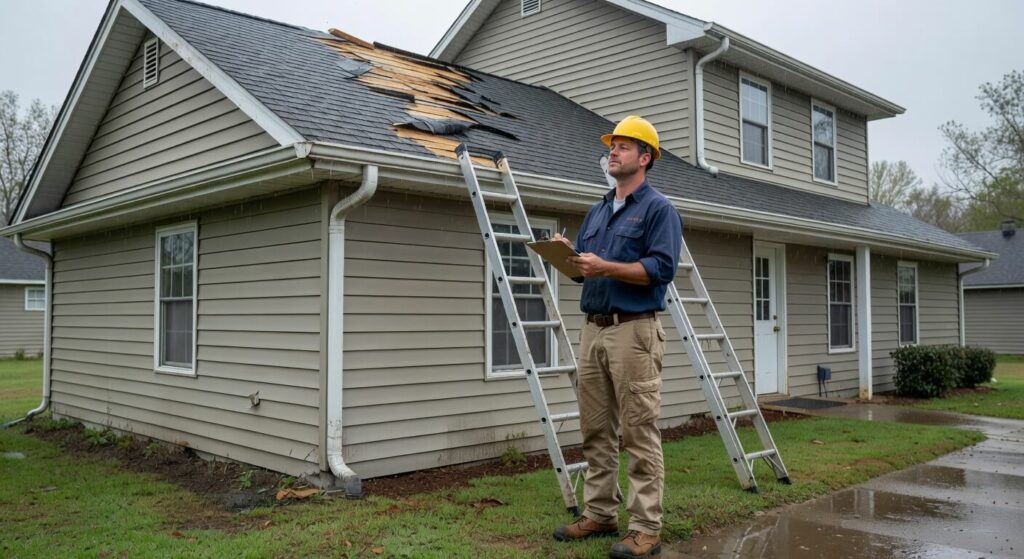
• The storm damage restoration process starts with a fast roof, siding, and gutter check so you can spot problems before they spread.
• A simple checklist helps you document damage, protect your home, and stay organized while repairs move forward.
• Local repair guidance matters because spring storms in Griffin, GA can leave hidden damage that needs careful attention.
What the Storm Damage Restoration Process Should Achieve
The main goal of the storm damage restoration process explained is to help property owners move from damage to repair with a clear plan. In Griffin, GA, this starts with a careful look at the roof, siding, and gutters so nothing gets missed after strong spring storms.
A good process should also protect your home from more damage while repairs are being planned. That may include quick fixes, detailed photos, and a full check of problem areas so the next steps are easier to follow.
When the work is done right, you should feel confident that your home is stable and ready for lasting repairs. If you need a place to start, storm damage repair services can help guide the next move in a simple, organized way.

Storm Damage Recovery Checklist
Use this checklist to stay focused after a storm and keep the storm damage restoration process explained in simple, practical steps. A clear plan can help Griffin, GA homeowners act fast and avoid small issues turning into bigger repairs.
- ✅ Check the roof for missing, lifted, or broken shingles
- ✅ Look for dents, cracks, or loose pieces on siding
- ✅ Inspect gutters and downspouts for bends, clogs, or separation
- ✅ Take photos of every visible area of damage
- ✅ Cover leaks or exposed spots to limit water entry
- ✅ Review attic spaces for signs of moisture or daylight
- ✅ Contact a trusted local contractor for a damage review
- ✅ Keep all notes, pictures, and repair records in one place
Following these steps can make the repair process feel much more manageable after spring storms in Griffin. It also gives you a stronger start when it is time to move from emergency protection to lasting repairs.
If you stay organized, you can make better decisions and avoid delays that often come from missing details. A careful checklist is one of the easiest ways to protect your home and keep the next repair step on track.
Additional Advice
After a storm, act quickly but stay calm so you can spot the most important issues first. The storm damage restoration process explained works best when you document damage early and keep your notes clear and organized.
Many homeowners make the mistake of waiting too long to check for hidden trouble, especially around the roof edge, vents, and flashing. Water can slip into small gaps and lead to bigger repairs later, so early attention matters.
It also helps to work with a local team that understands storm patterns in Griffin and knows what spring weather can do to a home. A trusted contractor can check for damage that may not be easy to see from the ground and help you decide what needs attention first, including roof repair and maintenance.
When possible, keep all repair details in one folder so you can track estimates, photos, and completed work. That simple habit makes the restoration process easier to manage and gives you a clearer path from damage to recovery.
Frequently Asked Questions
What is the first step after storm damage to a roof?
The first step is to check for visible damage and make sure the area is safe. You should then take photos and contact a roofing professional for a full inspection.
How long does storm damage restoration usually take?
The timeline depends on the amount of damage and the type of repairs needed. Small repairs may take a short time, while larger storm damage restoration work can take longer if materials or insurance steps are involved.
Does insurance cover storm damage to a roof?
Yes, many homeowners insurance policies cover storm damage if the loss fits the policy terms. It is important to document the damage right away and contact your insurance provider as soon as possible.
Can small roof damage get worse if I wait?
Yes, even small damage can get worse after rain, wind, or more storms. A small leak or lifted shingle can turn into a larger repair if it is not handled quickly.
Why should I hire a local contractor after storm damage?
A local contractor understands the weather conditions and common storm damage problems in your area. They can inspect the home carefully and help guide the storm damage restoration process explained in a way that is easier to follow.
Storm Damage Recovery Starts with the Right Plan
Storm damage can feel overwhelming, but a clear plan makes the next step much easier. When you follow a smart repair process, you protect your home and reduce the chance of long-term problems.
Strong results come from quick action, careful records, and help from a team that knows what to look for after spring storms. For more updates and local home care tips, follow us on social media.