The Bigger the Project.
• Understand the storm damage insurance claim process with this step-by-step guide to navigate repairs and compensations effectively.
• Gain insights on professional assistance to ensure accurate claim filing and maximize the potential for a favorable outcome with your insurer.
• Discover helpful tips on documenting damage, contacting your insurance company, and seeking expert help to streamline the claims process.
Recognizing the Signs of Storm Damage
When the skies clear after a turbulent storm, the aftermath may not always be immediately evident. It’s crucial to inspect your property for subtler signs of damage that could escalate over time. Water stains on ceilings or walls, for instance, may indicate a compromised roof or siding, often overlooked until they develop into significant issues. Similarly, granules from shingles in the gutters or downspouts can be a tell-tale sign of wear that needs to be addressed.
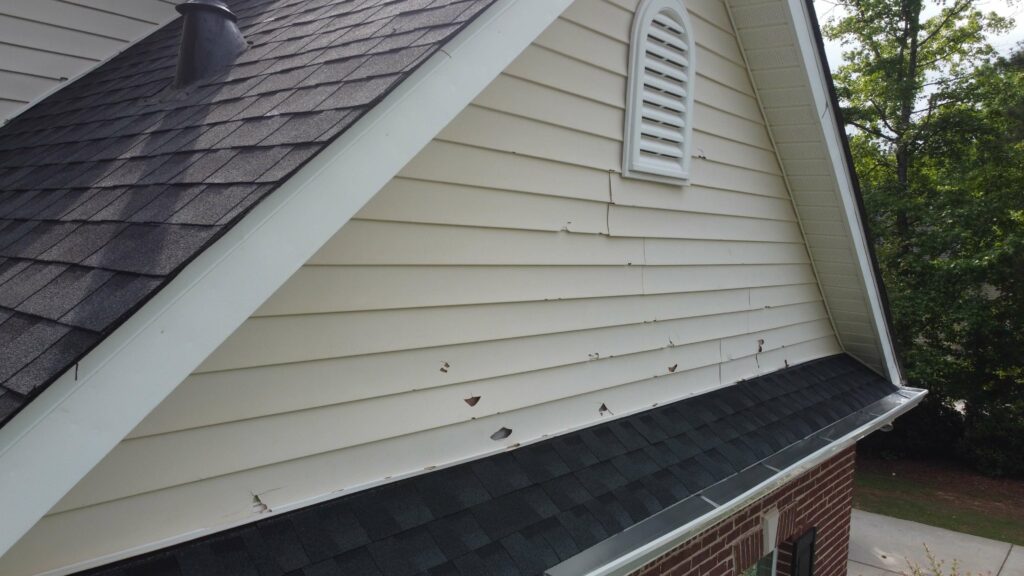
Tackling storm damage proactively is key to maintaining the integrity of your home. Outdoor inspections should focus on potential vulnerabilities such as loose or missing shingles, which can lead to leaks. On the ground, look for scattered debris that could signal more extensive damage aloft. In particular, be vigilant for dings and dents on your siding or gutters, as these can exacerbate water damage if left unrepaired.
Inside, be thorough in your search for damage. Doors and windows are common victims of high winds and should be checked for functionality and seal integrity. Cracks or buckling in the flooring can also imply a compromised foundation or substructure, often a result of standing water. By identifying these concerns, you’re laying the groundwork for a well-documented storm damage insurance claim process, ensuring that you can transition smoothly into recovery and restoration.
Understanding Your Policy and Preparing for Action
Before diving headfirst into repairs, it’s essential to understand the specifics of your homeowners’ insurance policy. Clarity on coverage limits, deductibles, and exclusions will paint a clear picture of what you can expect during the storm damage insurance claim process. Be proactive and contact your insurer immediately, detailing your losses and expressing your intent to file a claim. Their timely guidance can steer you away from potential pitfalls that could delay or even diminish your compensation.
In your correspondence with the insurance provider, inquire about approved contractors or repair services that align with your policy. This not only ensures compliance but also paves the way for smooth claim approval. If you’re uncertain about reputable services in Haralson, GA, consult the experts at Roof-Tastic & Beyond Exteriors, acknowledged for their proficiency and reliability in storm restoration. By aligning with trusted professionals, you bolster your claim’s credibility and expedite the recovery process.
Securing Property and Documenting Evidence
As you navigate the aftermath, further damage can be mitigated with prompt, protective measures. Covering breaches in your home’s exterior, such as windows or the roof, with tarps or temporary seals can be vital. These actions not only safeguard your belongings from additional harm but also demonstrate to insurers your commitment to reducing loss. Remember to save receipts and records of these emergency protective measures, as they can be vital for reimbursement through your claim.
Compiling comprehensive documentation is imperative in substantiating your insurance claim. Meticulous records comprising date-stamped photos, lists of damaged items, and any corresponding repair quotes enable a smoother verification process by your adjuster. Organize these details in a format that’s easily navigable—not only for your insurer’s benefit but also as a personal archive to track the restoration journey. Such thoroughness reflects the seriousness of your intent and can have a profound impact on the outcome of your claim.
Step 1: Assess the Storm Damage
Begin by carefully evaluating the damage caused by the storm to your property. Look for missing shingles, dented siding, or broken windows. Take photographs from multiple angles to document the damage for your insurance company.
Step 2: Review Your Insurance Policy
Locate your homeowners’ insurance policy and read through it to understand what types of storm damage are covered and the procedures for filing a claim. Pay close attention to your policy’s deductible and any specific reporting requirements.
Step 3: Contact Your Insurance Company
Reach out to your insurance company as soon as possible to inform them of the damage and your intention to file a claim. Ask about the steps you need to follow, any forms you need to complete, and the timeframe for the insurance adjuster’s visit.
Step 4: Prevent Further Damage
If it’s safe to do so, take temporary measures to prevent additional damage, such as covering broken windows with a tarp or plywood. However, do not make any permanent repairs until the insurance adjuster has assessed the damage.
Step 5: Organize Documentation
Put together all the documentation of the damage, including photos, a list of damaged items, and any receipts for emergency repairs you’ve undertaken. This will serve as essential evidence for your insurance claim.
Step 6: Meet with the Insurance Adjuster
When the insurance adjuster visits your property to assess the damage, accompany them to ensure they have all the information needed. Present your documentation and answer any questions they might have.
Step 7: Obtain Repair Estimates
Get estimates from licensed contractors for the necessary repairs. These should be detailed and include the materials and labor required to restore your property to its pre-storm condition.
Step 8: Finalize and Submit Your Claim
After the adjuster’s assessment and obtaining repair estimates, finalize your insurance claim. Submit all the required documentation to your insurance company and follow up regularly to ensure your claim is processed in a timely manner.
Common DIY Assessment Mistakes to Avoid
Embarking on a DIY storm damage assessment can be daunting, and unfortunately, it’s easy to make mistakes. These errors can have lasting consequences, potentially affecting the integrity of your property and the success of your insurance claim. To help you navigate this process, we’ve compiled a list of common pitfalls that homeowners face—and how to avoid them.
Mistake 1: Overlooking Minor Damages
Many individuals miss subtle signs of damage, such as small leaks or minor cracks. It’s crucial to inspect every inch of your property, as seemingly insignificant issues can escalate over time, leading to costly repairs.
Mistake 2: Not Documenting Damage Right Away
Delaying the documentation process can result in lost details and insufficient evidence for your insurer. Take clear, date-stamped photographs of the damage immediately, ensuring a thorough record for your storm damage insurance claim process.
Mistake 3: Misunderstanding Insurance Policy Coverage
Misinterpreting the extent of your coverage can lead to out-of-pocket expenses or rejected claims. Before taking any action, review your policy carefully or consult an insurance professional to clarify your coverage.
Mistake 4: Taking Permanent Repair Measures Too Early
Jumping into permanent repairs before an adjuster’s assessment can jeopardize your claim. Focus on temporary measures to prevent further damage, and wait for official guidance for any permanent fixes.
Mistake 5: Not Keeping Accurate Records of Communication and Expenses
Forgetting to track conversations with your insurer or expenses related to damage control can create issues during the claim process. Maintain a detailed log of all interactions and save receipts for any emergency repairs or protective measures you implement.
Mistake 6: Failing to Accompany the Adjuster During Their Inspection
Not being present during the adjuster’s visit can lead to missed damage assessments. Ensure you’re on-site to discuss your findings and provide any necessary documentation to support your claim.
Mistake 7: Accepting the First Repair Estimate
Quickly settling on the first estimate without comparison shopping can result in overpaying or subpar work. Obtain multiple quotes from reputable, licensed contractors to ensure you’re getting fair and accurate assessments.
Mistake 8: Submitting an Incomplete or Inaccurate Claim
Hastily assembled or incorrect claims can delay the process or lead to denial. Double-check your submission for completeness and accuracy, ensuring all required documentation supports your damage claim.
Collaborating with Insurance Adjusters
As the insurance adjuster steps onto your property, it’s your opportunity to present the evidence of the storm’s impact. Walk them through the affected areas, provide the documentation you’ve collected, and discuss the steps you’ve taken to mitigate further damage. Your proactive approach will not only expedite the storm damage insurance claim process, but also establish a constructive dialogue with your adjuster, fostering a smoother claim resolution.
Securing Fair and Accurate Repair Estimates
With the damage assessed and your claim underway, obtaining detailed repair estimates is your next critical step. These estimates should come from licensed, experienced professionals who can accurately reflect the cost and scope of necessary repairs. For trusted repair services in Haralson, GA, consider Roof-Tastic & Beyond Exteriors as your go-to source for credible repair assessments that your insurance provider can rely on.