The Bigger the Project.
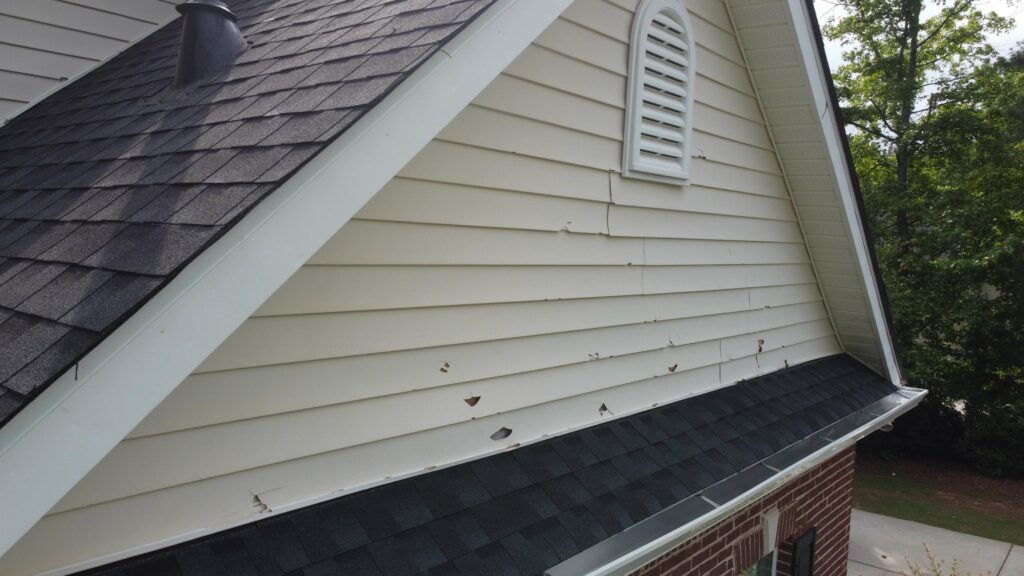
• Heavy snow can hide roof problems that get worse fast, including loose shingles, flashing issues, and hidden leaks.
• Early signs like attic moisture, ceiling stains, and ice buildup can help homeowners catch damage before it spreads.
• A quick roof check after winter weather can protect your home and reduce the chance of costly repairs.
What Winter Snow Can Do to Your Roof
After a heavy snow, small roof problems can turn into bigger ones fast. Shingles may loosen, flashing can shift, and hidden moisture can work its way into your home before you notice it. That is why paying attention to signs of roof damage after heavy snow matters as soon as the weather starts to clear.
In Lithia Springs, GA, winter weather may not stay icy for long, but one hard snowfall can still leave a roof under stress. Warm daytime temperatures and colder nights can make melting and refreezing happen on the roof edge, which puts extra strain on materials. If you wait too long, a small issue can spread and lead to costly repairs.
We often see homeowners miss the earliest warning signs because the damage is not always obvious from the ground. A roof can look fine at first while trouble is building under the surface. If you want to catch problems early, it helps to know what to look for and act before the next round of winter weather arrives.
How Roof Damage Shows Up After Snow
Some roof issues are easy to spot, while others stay hidden until water starts showing up inside the house. Missing shingles, bent flashing, sagging roof sections, and damp spots in the attic can all point to trouble after a snow event. If you notice any of these signs, it is smart to take them seriously right away.
Even if your roof looks intact, moisture can sneak into weak spots and cause damage that grows over time. That is especially true when snow melts during the day and freezes again at night, since that cycle can open up cracks and small gaps. We help homeowners stay ahead of these problems through services like storm damage repair when winter weather leaves a roof vulnerable.
The best approach is to check your roof as soon as it is safe to do so and focus on areas that deal with the most water runoff. Valleys, vents, chimneys, and roof edges often show wear first because snow and melting water collect there. Catching damage early can help protect the roof deck, insulation, and the rest of your home from further issues.
Tips from the Pros
🔎 Tip 1: Check the roof from the ground first
Look for missing shingles, dark patches, or areas that seem uneven after the snow melts. A ground-level check is a safe first step before you decide whether a closer inspection is needed.
❄️ Tip 2: Watch for ice along the roof edge
Ice buildup near gutters or eaves can point to poor drainage or heat loss from inside the home. That trapped moisture can increase the chance of leaks and shingle damage.
🏠 Tip 3: Inspect the attic for damp spots
Water stains, musty smells, or wet insulation can all signal roof trouble after heavy snow. The attic often shows damage before it becomes visible inside living spaces.
🛠️ Tip 4: Look closely at flashing and vents
Metal flashing around chimneys, skylights, and vents can shift during harsh weather. Even a small gap in these areas can let water in over time.
🌧️ Tip 5: Pay attention to ceiling stains indoors
Brown spots on ceilings or walls can mean water has already moved past the roof surface. If stains appear after snow, the roof should be checked soon.
📋 Tip 6: Clear snow safely when it builds up
A roof that holds too much snow can face extra weight and stress on weak areas. Use caution and avoid tools that could scrape or damage shingles.
🔍 Tip 7: Check gutters and downspouts for blockage
Snowmelt needs a clear path off the roof, and clogged gutters can send water back where it should not go. That backup can create leaks near the roof edge and fascia.
🚨 Tip 8: Call for help if you spot active leaks
If water is coming in, do not wait for the next storm to make it worse. Fast repairs can help limit damage to the roof structure and the inside of the home.
Frequently Asked Questions
What are the most common signs of roof damage after heavy snow?
The most common signs of roof damage after heavy snow are missing shingles, sagging areas, ceiling stains, and damp insulation. You may also notice ice buildup at the roof edge or water spots in the attic.
Can snow damage a roof even if it does not look bad from outside?
Yes, snow can damage a roof even when the outside looks fine. Hidden moisture, loose flashing, and small leaks often show up later inside the home.
How soon should I check my roof after a snowstorm?
You should check your roof as soon as it is safe after the snowstorm ends. Early checks help you catch small problems before melting snow causes more damage.
What should I do if I see water stains after snow?
Yes, water stains should be treated as a warning sign right away. They usually mean moisture has already entered the home, and the roof needs a close inspection.
Can ice buildup be a sign of roof damage after heavy snow?
Yes, ice buildup can be a sign of roof damage after heavy snow. It often points to drainage trouble, heat loss, or trapped water that can lead to leaks.
Protect Your Roof Before the Next Storm
Snow can leave behind more than a white roof and cold weather memories. It can create hidden damage that grows if it is not checked and fixed in time. When you know the warning signs and act early, you give your roof a better chance to stay strong through the rest of winter.
We always recommend taking winter roof concerns seriously, especially after a heavy snowfall in Lithia Springs, GA. A quick look now can help prevent bigger repairs later and keep your home protected when the weather shifts again. For more updates and home exterior advice, follow us on Instagram.