The Bigger the Project.
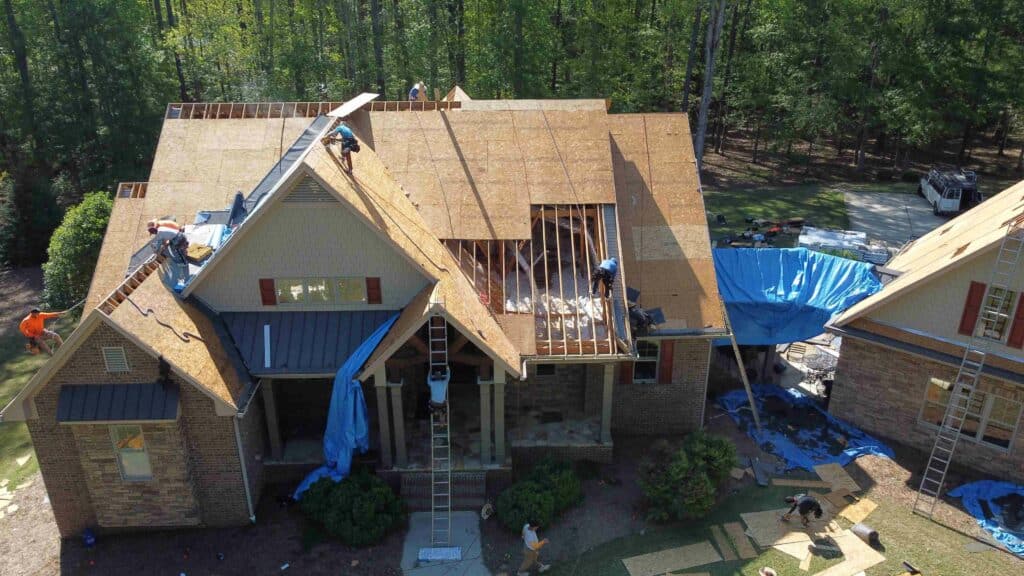
• Unveil the importance of proper roof ventilation especially during the spring season in Georgia.
• Outline essential steps homeowners can take to ensure their roof ventilation system is effective.
• Highlight the significance of professional assessments for optimal roof health and longevity.
The Goal: Ensuring Effective Roof Ventilation This Spring
As spring unfolds in Lagrange, GA, homeowners face a unique set of challenges that impact the performance and longevity of their roofs. Adapting to the seasonal changes, the goal is to achieve optimal roof ventilation, which is crucial for safeguarding your living space against the humid Georgia springtime.
Effective roof ventilation not only prevents moisture-related issues but also contributes to a reduction in energy costs through better thermal regulation. It acts as a climate control mechanism, enabling homes to remain cool and dry during the warmer months. Ensuring your roof has a sound ventilation system is pivotal in maintaining the structural integrity of your home. It guards against common problems like mold growth, wood rot, and warped shingles, which are prevalent when attic spaces fail to breathe properly.
Aligning with our goal, the checklist ahead will provide homeowners in Lagrange with step-by-step guidance. It aims to equip you with the knowledge to evaluate, maintain, and enhance your roof’s ventilation system for this spring, leading to a more comfortable and secure home environment.
Your Spring Roof Ventilation Checklist
With the goal of optimal roof ventilation in mind, this checklist is designed for Lagrange, GA homeowners looking to protect and maintain their roofing systems this spring. Following these steps will help ensure your roof is equipped to handle the season’s demands and beyond.
- ✅ Inspect Attic Ventilation: Verify that attic vents are unobstructed and that there is a clear path for air to flow in and out of your attic.
- ✅ Check for Obstructions: Remove any debris, such as leaves and nests, that could block roof vents and suffocate your home’s ventilation system.
- ✅ Assess for Damage: Look for signs of wear and tear on your vents and shingles, which can affect ventilation efficiency.
- ✅ Monitor Insulation: Ensure that your attic insulation doesn’t obstruct vents, as this can trap moisture and reduce air circulation.
- ✅ Consider Upgrades: If you have an older home, think about upgrading to newer ventilation technology that could better suit your needs and improve airflow.
- ✅ Balancing Intake and Exhaust: Verify if you have a proper balance between the intake vents (located at your eaves or soffits) and exhaust vents (at or near your roof’s peak), which is crucial for effective ventilation.
- ✅ Professional Inspection: Schedule a roof inspection with a certified contractor who can provide expertise and handle any complex issues.
By diligently following this checklist, you can take proactive steps towards maintaining a healthy and efficiently ventilated roof this spring. Regular attention to these details can prevent costly repairs and prolong the life of your roof, ensuring your home stays comfortable throughout the changing seasons.
Additional Advice
To further enhance your roof ventilation, consider installing ridge vents for a seamless airflow solution. These vents work in conjunction with your existing attic ventilation system, allowing hot air to escape at the highest point of your roof. This improved airflow not only regulates temperature but also helps prevent moisture buildup, which can lead to mold and structural damage over time. Additionally, remember to routinely inspect your gutters and downspouts, ensuring they are clear and functioning properly. Clogged gutters can create excess moisture around your roofline, compromising ventilation and leading to potential leaks and damage to your roofing materials.
Don’t underestimate the importance of seasonal maintenance! While spring is the perfect time to perform a thorough check, implementing a regular inspection schedule throughout the year can significantly boost your roof’s performance. Aim to assess your roof’s condition after heavy storms or extreme weather events. This consistent attention will help you catch minor issues before they escalate into major repairs. Lastly, whenever you notice any signs of pest activity, such as droppings or gnaw marks, address it immediately. Pests can not only obstruct ventilation but also cause extensive damage to your roof structure and insulation, compromising the effectiveness of your ventilation system.
Wrapping Up Your Spring Roof Ventilation Efforts
As the warm breezes of spring in Lagrange, GA begin to flow, taking the time now to ensure your home’s roof ventilation is up to par is a wise investment. Not only does it safeguard the structural integrity of your home, but it also enhances the comfort of your living spaces. Remember, consistent upkeep is key to avoiding the high cost of reactive repairs and extending the lifespan of your roofing system.
If the process seems daunting or you uncover issues that are beyond your expertise, consider enlisting the help of professionals from Roof-Tastic & Beyond Exteriors. Their experience and knowledge are invaluable in diagnosing and resolving complex ventilation and roofing concerns. By entrusting your roof to seasoned experts, you can be confident that your home will remain a stronghold against the elements, come rain or shine.