The Bigger the Project.
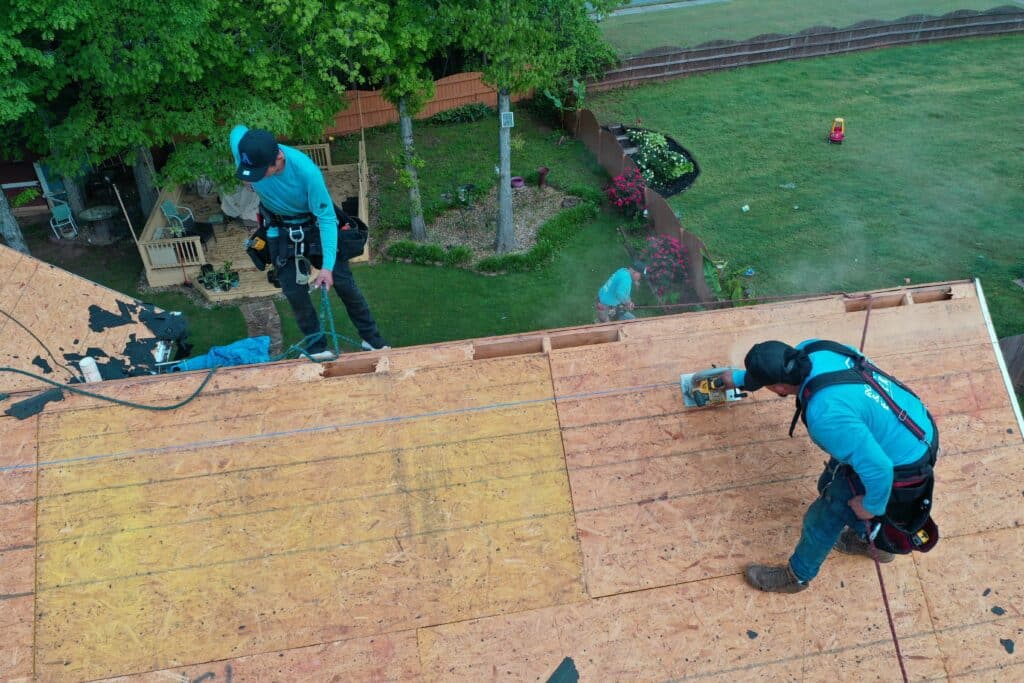
• Inspect your roof at least twice a year, and add extra checks after storms or strong winds. In spring, Kennesaw weather can reveal small problems fast, so catching damage early helps prevent bigger repairs.
• Watch for missing shingles, cracked flashing, leaks in the attic, and clogged gutters. These are the most common warning signs that a roof may need attention before the damage spreads.
• A simple roof check from the ground, inside the attic, and around drainage areas can save time and stress. Staying on a regular inspection schedule helps protect your home and keeps minor issues from turning into costly repairs.
How Often Should You Inspect Your Roof Before Damage Spreads
Spring in Kennesaw can bring sudden rain, windy days, and fast shifts in weather that put extra stress on a roof. That is why many homeowners start asking how often should you inspect your roof before a small issue turns into a bigger one. A quick check now can help you catch cracked shingles, loose flashing, or early leaks before they spread. If you wait too long, even minor wear can lead to expensive repairs and stress you did not plan for.
Your roof works hard every day, and the signs of trouble are not always easy to see from the ground. Missing pieces, soft spots, and clogged drainage can build up slowly after storms or heavy spring rain. We often find that the homeowners who stay ahead of these issues save time and money later. When you need help spotting problem areas, our roof repair and maintenance services can help keep small concerns from growing.
The best time to pay attention is before water gets inside and causes damage to the structure below. A roof inspection does not need to be complicated, but it does need to be regular and careful. In a place like Kennesaw, where spring weather can change fast, staying alert makes a real difference. Knowing how often should you inspect your roof gives you a simple way to protect your home before the next storm rolls through.
Most roofs should be checked at least twice a year, with extra attention after major storms or strong winds. Spring is a smart time to inspect because winter wear may have left behind loose shingles, lifted edges, or hidden moisture problems. We also recommend looking over the roof after heavy rain, since water often shows weak spots that were not visible before. If damage is found early, repairs are usually simpler and less disruptive.
A good inspection starts with a careful look at the roof surface, gutters, flashing, and attic areas that may show signs of water entry. We know many problems begin in spots homeowners rarely notice, such as around vents, valleys, and chimneys. That is why a steady routine matters more than waiting for an obvious leak. Answering how often should you inspect your roof the right way means building a habit that keeps your home protected all year.
Step-by-Step Roof Inspection Guide
👀 Step 1: Check the roof from the ground
Start by looking at the roof from a safe spot on the ground with binoculars if needed. This helps you spot obvious concerns like missing shingles, sagging areas, or dark patches before you move closer.
🧹 Step 2: Clear away visible debris
Remove leaves, branches, and other debris from the roof surface and gutters if you can do so safely. Debris can trap moisture and hide early signs of damage, which makes problems harder to catch.
🔍 Step 3: Look for shingle problems
Check for cracked, curled, loose, or missing shingles. These issues can let water seep in and may spread if they are ignored for too long.
🛠️ Step 4: Inspect flashing and seal points
Pay close attention to flashing around chimneys, vents, skylights, and roof edges. These areas often fail first because they are exposed to repeated water and weather changes.
💧 Step 5: Check for signs of leaks inside
Look in the attic or top floor ceiling areas for water stains, damp spots, or musty smells. Internal signs often show up before roof damage becomes visible on the outside.
🌧️ Step 6: Review gutter flow and drainage
Make sure gutters and downspouts are moving water away from the roof and home. Poor drainage can cause water to back up and put extra pressure on the roof edges.
📅 Step 7: Set a regular inspection schedule
Plan to inspect the roof twice a year and after major storms. Staying consistent helps you catch trouble early, which can lower the chance of bigger repairs later.
Mistakes to Avoid During Roof Checks
A roof inspection only helps if it is done carefully and at the right time. Many DIY mistakes come from rushing, skipping key areas, or assuming a roof is fine because no leak is visible yet. These mistakes can let small problems grow and make repairs more costly.
- ⚠️ Mistake 1: Only checking after a leak appears
This happens when homeowners wait for water stains or dripping before looking at the roof. By then, the damage has usually spread farther than expected. Prevent this by making roof checks part of a regular seasonal routine. - ⚠️ Mistake 2: Forgetting to inspect after storms
Strong wind and heavy rain can loosen shingles or damage flashing even when the roof still looks fine. People often skip this step because the house seems normal from the outside. Prevent this by checking the roof soon after severe weather passes. - ⚠️ Mistake 3: Ignoring flashing and edge areas
Many DIY inspections focus only on shingles and miss the places where leaks often start. This usually happens because flashing is easy to overlook and harder to understand. Prevent it by paying close attention to chimneys, vents, valleys, and roof edges every time. - ⚠️ Mistake 4: Overlooking attic signs
Some homeowners only inspect the outside and never look inside for moisture clues. That can happen when they believe exterior damage is the only thing that matters. Prevent this by checking the attic for stains, damp wood, and musty odors during each inspection. - ⚠️ Mistake 5: Waiting too long between inspections
A roof can age faster than expected when small issues go unnoticed for months. This mistake often comes from a busy schedule or the belief that one inspection a year is enough. Prevent it by checking the roof at least twice a year and after major weather events.
Frequently Asked Questions
How often should you inspect your roof?
Yes, you should inspect your roof at least twice a year. Spring and fall are the best times because changing weather can reveal damage that is not easy to spot at other times. You should also check it after major storms or strong wind events.
What is the best time of year for a roof inspection?
Yes, spring is one of the best times to inspect a roof. Winter weather can leave behind loose shingles, worn seals, and hidden moisture issues that become easier to spot once the weather warms up. Fall is also a smart time to prepare for colder months ahead.
Can I inspect my roof myself?
Yes, you can do a basic visual inspection yourself from the ground and inside the attic. You should stay off the roof if it is steep, wet, or damaged because safety matters more than a quick check. A professional inspection is a better choice when you see signs of wear or active leaks.
What signs mean my roof needs immediate attention?
Yes, missing shingles, water stains, sagging spots, and damp attic areas all mean the roof needs quick attention. These signs often point to damage that can spread if it is ignored. The sooner you act, the easier it is to limit repair costs.
Does spring weather affect roof damage in Kennesaw, GA?
Yes, spring weather in Kennesaw can put extra stress on a roof because of rain, wind, and quick weather changes. Those conditions can loosen shingles, expose weak spots, and make small leaks easier to miss. That is why knowing how often should you inspect your roof matters even more during spring.
Keep Your Roof Ahead of the Weather
Staying on schedule with roof checks is one of the simplest ways to protect your home from bigger problems. When you inspect early, you give yourself a better chance to catch wear before it turns into water damage or structural trouble. In a season like spring, that habit matters even more because weather can shift quickly in Kennesaw.
A steady inspection routine helps you stay in control and avoid surprise repairs. If you want to keep your roof in better shape through the season, we are here to help with trusted service and local care. You can also follow us on social media for more updates and home protection tips.