The Bigger the Project.
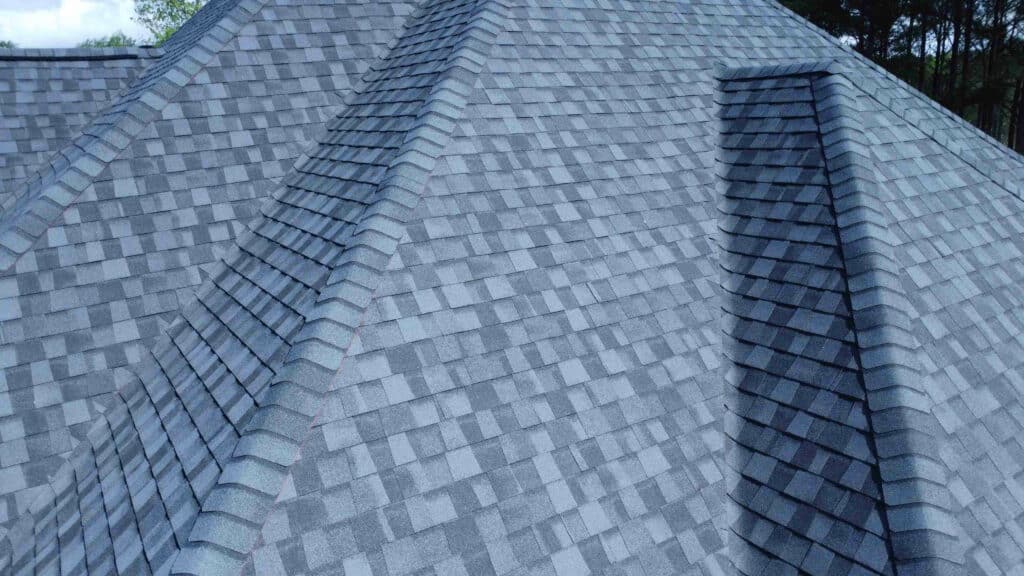
• Understanding Roof Inspection Timing: Determine optimal inspection frequency for long-term roof health and prevention of major issues.
• Professional Inspection Benefits: Learn why hiring a professional for roof evaluations saves time and money, and ensures accurate diagnostics.
• DIY vs Professional Help: Contrast the limitations of self-inspection with the advantages of expert assessment; why pro assistance is the best choice.
Recognizing the Red Flags: Is Your Roof Telling You Something?
Before jumping into your roof’s inspection routine, it’s vital to spot the warning signs that scream “attention needed.” If you observe granules from shingles accumulating in your gutters or at the end of downspouts, it’s a telltale sign of wear that demands a closer look. Should you spot sagging areas or feel a sponge-like give underfoot, it could be an indication of underlying damage or rot. Uninvited green guests, such as moss and algae, clutching onto your roof’s surface also herald that a thorough inspection is overdue.
Seasonal Swings and Their Effects on Your Roof
Douglasville residents know too well how the pendulum of seasons swings from the heat of summer to winter’s chill. This seasonal rollercoaster ride subjects your roof to expanding and contracting, potentially prying shingles loose or exposing weak spots. It’s wise to prelude the onset of winter’s frost with an inspection to head off ice damage, just as the summer’s aftermath should prompt another. Consistent checks in these pivotal seasons cushion your home against the elements—detecting minor concerns before they snowball.
Up Close and Personal: Details Not to Ignore
Sometimes, problems are not apparent until you’re eye-to-eye with your rooftop. Minor cracks or tears around vent pipes may seem inconsequential but can open the floodgates to water damage. Shingles that are curled, cracked, or absent undermine the roof’s primary duty—keeping you dry and secure. So, ensure you take advantage of fair weather to inspect these up-close details or if you’re unsure, rope in a certified professional who can reliably navigate these heights.
Gutter Guidance: A Pathway for Prevention
Unchecked gutters are silent saboteurs, potentially laying the groundwork for preventable roof problems. An overflowing gutter, burdened with leaves and debris, traps moisture against the roof, giving rise to rot and damage. Proactive gutter maintenance not only protects your roof but also defends your home’s foundation from water harm. To ensure your gutters aren’t contributing to roof distress, visit Roof-Tastic & Beyond Exterior’s gutter services for expert care and advice.
Internal Vigilance: Attic Insights
The silent tales of an attic can be more revealing about the state of your roof than any exterior clue. As daylight peeks through the roof boards, it’s a witness to potential breaches in your home’s armor. Moisture marking your attic’s insulation implies an open invitation for water to invade, pushing you towards timely repairs. For a comprehensive evaluation of attic issues and expert remedies, considering a professional inspection is worth your peace of mind and the integrity of your roof.
Step 1: Understand Your Roof’s Lifecycle
Become familiar with the materials used in your roofing as different types require varying frequencies of inspection. Asphalt shingle roofs may need inspection every 3 years, while metal or tile roofs can go longer.
Step 2: Seasonal Inspection Timing
Inspect in the winter to ensure your roof in Douglasville, GA can withstand potential snow or ice damage, and again in summer to check for heat or storm damage.
Step 3: Check for Visible Signs of Damage
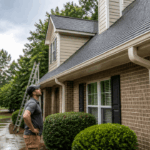
From the ground, use binoculars to look for missing shingles, cracks, or moss. Inside your home, search for leaks or water stains on ceilings that indicate roof issues.
Step 4: Perform a Close-Up Inspection
Safe access permitting, climb up to your roof for a closer examination. Look for broken or missing shingles, and inspect flashings around chimneys and vents for integrity.
Step 5: Inspect Your Gutters
Check gutters and downspouts for blockages or debris build-up that can lead to water damage on your roof.
Step 6: Inside Checks
Investigate your attic for signs of moisture or daylight coming through the roof boards, as this might indicate more serious hidden damage.
Step 7: Schedule Professional Inspections
Hire a professional roofer from Douglasville, GA, to inspect your roof every few years for a more thorough evaluation, especially before the harsh winter season.
Step 8: Regular Maintenance
Regularly clear away debris, trim overhanging branches, and perform minor repairs when necessary to prolong the life of your roof.
Avoiding the Pitfalls: Common DIY Roof Inspection Mistakes
Before you ascend the ladder and begin your DIY roof inspection, it’s essential to be aware of common blunders that could result in more harm than good. These errors can lead to overlooked issues or even create new problems that could have been prevented with proper knowledge and techniques. By understanding these pitfalls, you can ensure that your inspection is thorough, effective, and does not inadvertently damage your roof.
Mistake 1: Forgoing Safety Measures
Safety should be your number one priority. Skipping proper ladder stabilization or working without a buddy can turn a roof inspection into a hazard. Always use a sturdy ladder, wear non-slip shoes, and if possible, use a safety harness to prevent falls.
Mistake 2: Ignoring Weather Conditions
Attempting an inspection during adverse weather can not only compromise your safety but can also skew the assessment of your roof’s condition. Inspect the roof when it’s dry and avoid times just after heavy rain, snow, or extreme cold, as these conditions can hide or exaggerate potential issues.
Mistake 3: Walking Indiscriminately on the Roof
Careless foot traffic can damage roofing materials, especially ones prone to cracking under pressure, such as tile or aging asphalt shingles. Learn the pathways on your roof that can bear weight, or better yet, avoid walking on it entirely if you’re not confident in doing so safely.
Mistake 4: Overlooking the Gutters
Focusing solely on the shingles and missing the gutters is a common oversight. Clogged or damaged gutters can contribute to roofing woes, so be sure to include them in your inspection, checking for proper attachment and clearing out leaf and debris build-up.
Mistake 5: Neglecting the Attic
The attic holds critical clues to your roof’s health and ignoring it can mean missing out on identifying leaks or inadequate insulation. Make attic inspection an integral part of your routine, looking for signs of moisture, mold, or light infiltration.
Mistake 6: Lack of Regularity
Sporadic inspections can miss the early signs of wear and damage. Set a schedule based on your roofing material and regional weather conditions, ensuring periodic checks and timely detection of issues.
Ensuring Integrity: Professional Roof Inspection
While vigilant homeowners can tackle much of the inspection process, there’s undeniable value in a professional’s expert eye. Specialists from Roof-Tastic & Beyond Exteriors can pinpoint concerns that often go unnoticed and provide essential maintenance tips. Trusting such crucial work to experts can extend the longevity of your roof and ensure a robust defense against the elements.
Maintenance as a Mindset: Preserving Your Home’s Halo
A roof is more than a structure; it’s a shield for your entire home. Regular maintenance, such as clearing debris and trimming tree branches, keeps this shield strong and functional. Adopting a year-round roof care routine can prevent expensive repairs down the line, keeping your Douglasville roof weatherproof through all seasons.