The Bigger the Project.
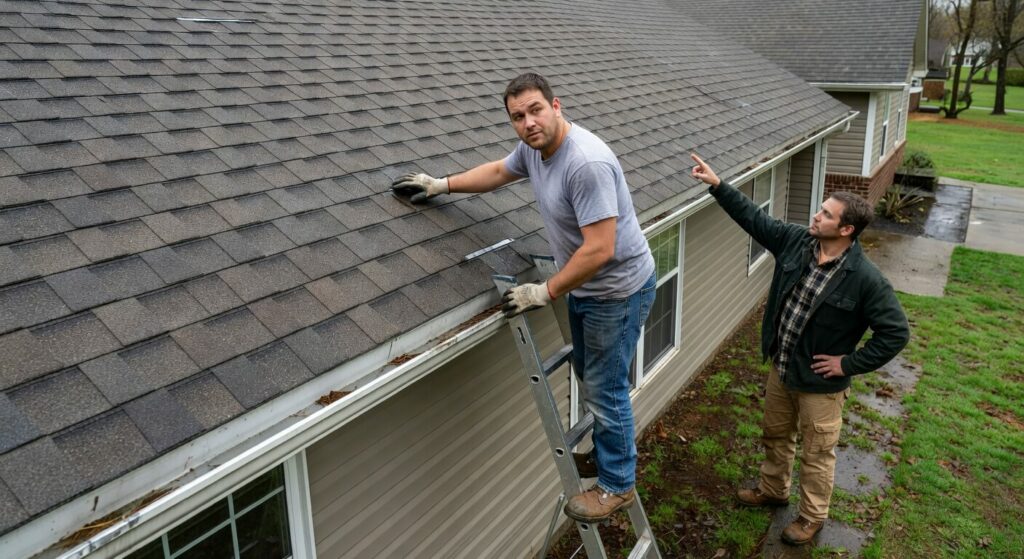
• A roof inspection checklist for homeowners helps catch small problems before they turn into costly repairs. It covers key areas like shingles, flashing, gutters, and attic signs of leaks so nothing important gets missed.
• Spring is a smart time to inspect a roof in Hogansville, GA, because winter wear and spring rain can expose hidden damage. Looking early gives homeowners a better chance to fix issues before water damage spreads.
• A simple step-by-step roof check makes the process easier and safer for homeowners. By following a clear checklist, you can spot warning signs, avoid common mistakes, and know when it is time to call a professional.
Why Spring Roof Checks Matter in Hogansville
Spring in Hogansville is the right time to pay close attention to your roof, because winter weather can leave behind hidden issues that grow fast. A small problem can turn into a larger repair once spring rains move in and find weak spots. That is why a roof inspection checklist for homeowners can help us catch trouble before it spreads.
When shingles loosen, flashing shifts, or debris collects in key areas, water has an easier path into the home. Even if the roof looks fine from the ground, damage can hide where it is hard to see. We often remind homeowners that waiting too long can mean more stress, more cost, and more damage inside the house.
A simple roof check can help us stay ahead of leaks, mold, and higher repair bills. In a place like Hogansville, where spring weather can change quickly, being proactive matters. If you want support from a local team, our roof repair and maintenance services are built to help protect homes before small problems get worse.
What We Look for During a Roof Check
A smart roof inspection starts with the outside details, especially shingles, flashing, vents, and gutters. We look for cracked, curled, loose, or missing shingles, since each one can let water in. We also check for rust, gaps, or sealant wear around roof edges and openings.
Inside the home, signs like ceiling stains, damp attic insulation, or musty smells can point to a roof issue above. These clues matter because roof damage is not always easy to spot from the yard. For homeowners using a roof inspection checklist for homeowners, both the roof surface and the attic should be part of the process, and our main site offers a helpful starting point for local service needs.
Step-by-Step Roof Inspection Checklist
🔍 Step 1: Start with a Ground-Level Look
Walk around the home and look for shingles that are missing, curled, or uneven. This first check helps us spot visible damage safely before climbing anywhere.
🧰 Step 2: Check for Debris on the Roof and in Gutters
Look for leaves, branches, and dirt that may trap moisture or block drainage. Clearing debris matters because standing water can wear down roofing materials faster.
📏 Step 3: Examine Shingles for Wear
Look closely for cracks, lifted edges, or bald spots where protective granules have worn away. These signs often mean the roof is aging or has taken weather damage.
🪟 Step 4: Inspect Flashing Around Openings
Check the metal around chimneys, vents, skylights, and valleys for gaps or lifting. Flashing helps keep water out, so even a small break can lead to leaks.
💧 Step 5: Look for Water Signs Inside
Go into the attic and upper rooms to check for stains, damp spots, or a stale smell. These signs can reveal moisture problems that are not obvious from outside.
🧽 Step 6: Review Gutters and Downspouts
Make sure water can move freely away from the home. Blocked gutters can push water back toward the roof edge and cause damage over time.
🌬️ Step 7: Inspect Roof Edges and Vent Areas
Check the perimeter of the roof and any vents for loose seals or visible wear. These spots are common trouble areas because they take on wind and water exposure.
📝 Step 8: Note Anything That Needs Repair
Write down what looks worn, damaged, or out of place so nothing gets forgotten. A written list helps us act faster and avoid missing a problem during the next rain.
Mistakes Homeowners Should Avoid
A roof check can be helpful, but only if it is done carefully and completely. Many homeowners miss small details because they rush, skip steps, or focus only on what is easy to see. Avoiding these mistakes can save time, money, and stress later.
- ⚠️ Mistake 1: Only Looking at the Roof from the Ground
This happens when homeowners assume a quick glance is enough. It is easy to do because climbing up or checking the attic takes more effort, but hidden damage often shows up in closer spots. To prevent this, always check the roof surface, edges, and inside spaces. - ⚠️ Mistake 2: Ignoring Small Shingle Problems
Loose or curled shingles may seem minor, so people often put off dealing with them. That delay can allow water to get underneath and spread damage. Prevent this by noting every worn area, even if it looks small. - ⚠️ Mistake 3: Forgetting the Flashing
Flashing is easy to overlook because it blends in with the roof structure. Homeowners often focus on shingles and forget the metal seals around roof openings. Prevent this by checking every vent, chimney, and valley during the inspection. - ⚠️ Mistake 4: Not Checking the Attic
Many people stop at the outside roof and never look inside the home. This happens because attic access can be inconvenient, but it is often where leaks leave the first clues. Prevent this by checking for stains, damp insulation, and unusual odors. - ⚠️ Mistake 5: Skipping Gutters and Drainage
Homeowners often think gutters are separate from roof care, so they leave them out of the process. When gutters are blocked, water can back up and stress the roof edge. Prevent this by making gutter checks part of every roof inspection.
Frequently Asked Questions
How often should homeowners inspect their roof?
Yes, homeowners should inspect their roof at least twice a year. A spring and fall check works well because it helps catch wear before harsh weather causes bigger problems. It is also smart to inspect after storms if wind or heavy rain hits the area.
What are the most common signs of roof damage?
Yes, the most common signs include missing shingles, curled edges, dark stains, and water spots inside the home. A roof inspection checklist for homeowners should also include flashing, gutters, and attic checks. These areas often show the first signs of a leak.
Can I do a roof inspection myself?
Yes, you can do a basic roof inspection yourself if you stay on the ground or use safe access points. Look for visible wear, debris, and interior signs of moisture. If you see anything serious or unsafe, it is best to bring in a pro.
Why is spring a good time for roof inspections in Hogansville?
Yes, spring is a good time because winter weather can leave behind damage that is not obvious right away. In Hogansville, spring rain can make small roof problems show up quickly. Checking the roof early gives homeowners a better chance to fix issues before leaks spread.
What should I do if I find a leak during my inspection?
Yes, you should act quickly if you find a leak. Place a container to catch dripping water and note where the stain or moisture is showing up. Then arrange for a roof professional to inspect the source before the damage gets worse.
Stay Ahead of Roof Problems
A roof check does not take much time, but it can make a big difference for your home. When we follow a roof inspection checklist for homeowners, we are more likely to catch damage early and avoid larger repairs later. That is especially important in spring, when weather changes can put extra strain on the roof.
The best next step is to stay consistent and treat roof care as a regular home task, not a one-time fix. If you want to keep up with Roof-Tastic & Beyond Exteriors and see more from our team, follow us on social media.