The Bigger the Project.
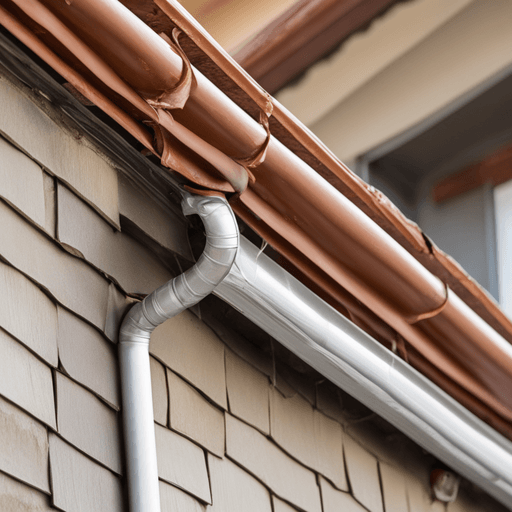
• Winter roof and gutter problems often start with heat loss, blocked drainage, and frozen water at the roof edge. Catching these issues early can help prevent leaks, sagging gutters, and wood damage.
• The best way to stop ice dams and gutter damage in winter is to inspect the roofline, clear debris, check attic heat loss, and keep water moving away from the home. Each step helps reduce the chance of repeat damage during cold weather.
• If gutters are already sagging, leaking, or filling with ice, fast repairs can keep the problem from spreading. A quick response protects the roof, siding, and foundation from bigger winter-related issues.
Why Winter Gutter Damage Needs Fast Action
Winter weather can put extra stress on every part of a roof system, and that includes the gutters that help move water away from the home. When ice forms, water can back up and create damage that spreads fast if it is ignored. In Fairburn, GA, cold snaps may not last long, but even short freezes can still cause real problems for homeowners.
We often see ice dams and gutter damage in winter start with small warning signs like slow drainage, sagging gutters, or water stains near the roof edge. Those early signs matter because trapped water can turn into leaks, loose shingles, and wood rot before the season is over. If you want to stay ahead of the damage, our gutter and downspout services can help protect your home before the problem gets worse.
The good news is that many winter issues can be caught early with a careful look at the roofline and drainage system. That kind of attention can save time, stress, and money later on. When we check for ice-related trouble early, we can help keep the home safer through the coldest weeks of the year.
How We Handle Winter Gutter Problems
The first step is always to figure out where water is getting trapped and why it is not moving off the roof the way it should. In many cases, heat escaping from the attic melts snow or frost on the roof, and that water refreezes near the edges where the temperature is lower. Once that cycle starts, gutters can fill with ice and begin to pull away from the house.
We then look for signs of damage along the roof edge, gutters, and fascia boards so we can stop a small issue from turning into a bigger one. This may include clearing blockages, checking for loose hangers, and making sure downspouts are moving water away from the foundation. If the roof itself is part of the issue, our roof leak repair services can help address the source of the moisture before more damage spreads.
Step-by-Step Guide
🕵️ Step 1: Inspect the Roof Edge
Look for ice buildup, hanging gutters, and water stains near the roofline. These signs often show that water is freezing before it can drain properly. A quick check can help you catch ice dams and gutter damage in winter before leaks begin.
🧤 Step 2: Check for Safe Access
Make sure the ground is stable and that ladders are placed on level footing before doing any work. Winter conditions can make surfaces slick, so safety matters before anything else. If access feels risky, stop and bring in trained help.
🧹 Step 3: Remove Loose Debris
Clear leaves, twigs, and other buildup from the gutters and roof edge. Debris traps water, which can freeze and block drainage during cold weather. Clean gutters move melting snow away more effectively.
🌡️ Step 4: Look for Heat Loss Signs
Check the attic for areas where warm air may be escaping into the roof space. Heat loss can melt snow unevenly and set up the freeze-thaw cycle that causes ice buildup. Better insulation and air sealing can help reduce that risk.
💧 Step 5: Confirm Water Flow
Test whether water can move freely through the gutters and downspouts. If water sits still or backs up, there may be a clog, a slope issue, or a damaged section. Proper drainage is key to preventing winter damage.
🔩 Step 6: Secure Loose Gutters
Tighten any sections that are pulling away from the house. Ice and standing water can add weight that stresses weak fasteners and joints. Keeping gutters firmly attached helps them handle winter conditions better.
🏠 Step 7: Protect the Roof Edge
Check flashing, shingles, and the edge of the roof for signs of wear. Even small gaps can let water reach the wood below when ice starts to melt. Fixing weak spots early helps prevent repeat damage.
📞 Step 8: Arrange Professional Repair
If the damage is already visible, schedule repairs before the next freeze. A trained roofing team can identify the full extent of the problem and recommend the right fix. Prompt action can prevent a minor issue from becoming a larger winter repair.
Common Mistakes to Avoid
Winter gutter problems can get worse quickly when the wrong steps are taken. Many homeowners try to solve the issue fast, but rushing often leads to more damage or unsafe conditions. Knowing what to avoid can help protect the roof, gutters, and siding from added stress.
- ⚠️ Mistake 1: Ignoring Early Warning Signs
This happens when small issues like dripping edges, ice buildup, or sagging gutters are brushed off as normal winter weather. It usually happens because the damage looks minor at first, but it can grow quickly once water freezes again. The best prevention is to act as soon as you notice changes in drainage or roof edge performance. - ❌ Mistake 2: Chipping Ice Away Roughly
Some homeowners try to break ice loose with hard tools, which can damage shingles, gutters, and flashing. This often happens because the ice looks easy to remove, even though the surface underneath is fragile. The safer choice is to avoid force and focus on the cause of the freeze. - 🚫 Mistake 3: Blocking Downspouts Instead of Clearing Them
This mistake occurs when debris is pushed deeper into the drainage system instead of removed. People do this when they cannot reach the full clog or do not realize water needs a clear exit path. Clearing the blockage fully is the only way to restore proper drainage. - ⚠️ Mistake 4: Skipping Attic Checks
Homeowners often focus only on the outside of the roof and forget that heat loss from inside can trigger the problem. This happens because attic space is easy to overlook, even though it plays a major role in ice buildup. Checking for warm air leaks helps address the root of the issue. - ❌ Mistake 5: Waiting Until the Next Freeze
Delaying repairs gives moisture more time to seep into wood, siding, and insulation. This usually happens when the damage seems manageable or the weather briefly warms up. Getting repairs done right away is the best way to limit repeat winter problems.
Frequently Asked Questions
What causes ice dams and gutter damage in winter?
Yes, ice dams and gutter damage in winter usually start when heat escapes from the attic and melts snow on the roof. That water then refreezes at the colder roof edge and blocks proper drainage. Once that happens, gutters can fill with ice, sag, or pull away from the house.
How can I tell if my gutters are damaged by ice?
Yes, there are clear signs of ice-related gutter damage, including sagging sections, cracks, leaks, and water spilling over the sides. You may also notice ice hanging from the roof edge or stains near the fascia. These signs mean the drainage system is struggling and should be checked quickly.
Can ice dams damage the roof itself?
Yes, ice dams can damage the roof by forcing melting water under shingles and into the layers below. That can lead to leaks, rot, and stained ceilings if it is not fixed. The longer the ice stays in place, the higher the chance of hidden damage.
What is the best way to prevent winter gutter problems?
Yes, the best way to prevent winter gutter problems is to keep gutters clean, make sure downspouts drain well, and reduce heat loss from the attic. These steps help water move off the roof before it can freeze. Regular checks during cold weather can also catch small issues early.
Should I try to remove ice from gutters myself?
No, it is usually not a good idea to force ice out of gutters yourself. Rough removal can damage the gutter system, shingles, and flashing, especially in cold weather when materials are more brittle. A safer approach is to address the drainage and heat issues that caused the ice in the first place.
Winter Protection Starts With Early Action
Winter roof and gutter problems are easier to control when we catch them early and deal with the cause, not just the symptoms. Small warning signs can turn into bigger repairs fast, especially when ice keeps building along the roof edge. Taking action now helps protect the home through the cold season and beyond.
We are here to help homeowners in Fairburn, GA stay ahead of winter damage with practical roofing solutions that fit the season. When you are ready to keep your home protected, follow us on social media.