The Bigger the Project.
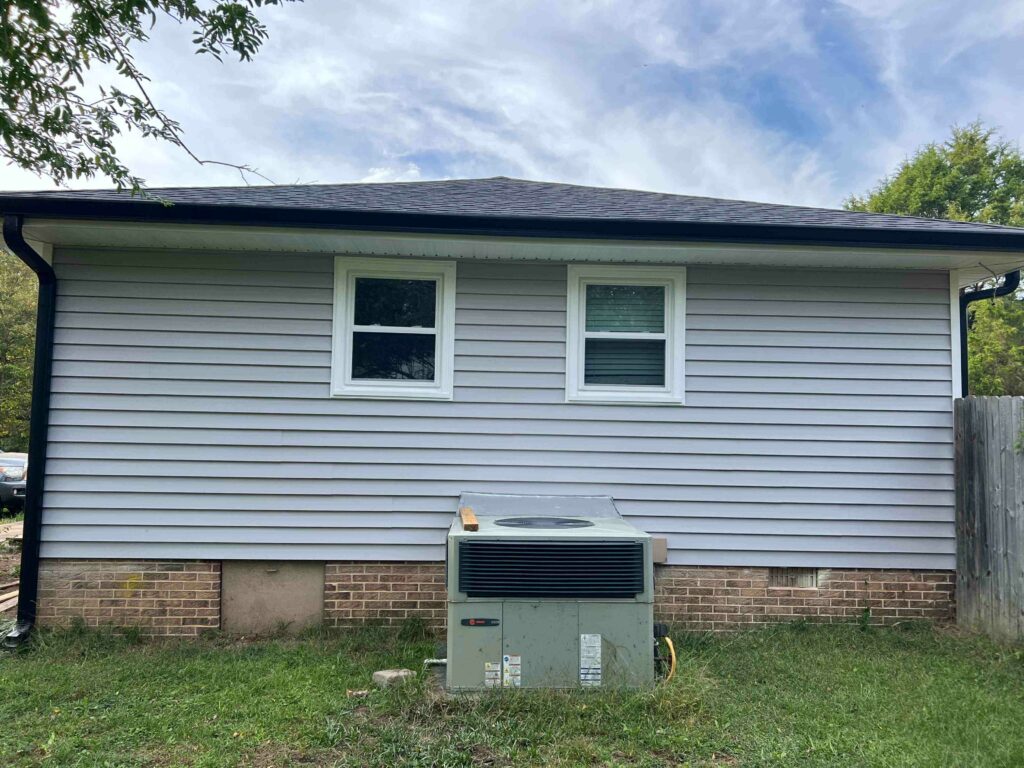
• Energy efficient windows can help lower winter heating bills by reducing drafts, holding in warm air, and making indoor temperatures feel more steady.
• The biggest savings often come from better glass, tight seals, and proper installation that keeps heat from slipping out around the frame.
• Simple checks for drafts, weak seals, and poor fit can show whether your windows are costing you money and where to start fixing the problem.
Why Heating Bills Rise in Winter
When winter settles in around Luthersville, GA, small drafts can quickly turn into higher heating costs. Many homes lose more warm air than homeowners realize, especially around older windows that no longer seal well.
That is why many families start asking, do energy efficient windows reduce heating bills when the cold weather arrives. We see this question often because the answer can affect comfort, monthly costs, and how hard a heating system has to work.
If your home feels chilly near the windows, you may already be paying for heat that is slipping outside. A better window setup can help hold warmth in, which matters even more during the colder months in our area and can work alongside services like our siding installation and replacement services to support the home envelope.
How Efficient Windows Help Save Heat
Energy efficient windows are built to slow heat loss by using better glass, tighter frames, and improved seals. They help keep indoor warmth inside longer, so your heating system does not need to run as often to keep rooms comfortable.
The biggest savings usually come when windows stop drafts and reduce the cold spots that make a house feel uneven. Homeowners asking do energy efficient windows reduce heating bills are really asking whether less heat escape can lower demand, and the answer is yes in many homes.
Glass type, frame material, and proper installation all matter when it comes to performance. Even the best window can underperform if it is not fitted well, which is why checking the full condition of the opening is so important before making a change.
How to Cut Heating Bills with Better Windows
🪟 Step 1: Check for Drafts
Walk near each window on a cool day and feel for moving air. Drafts are a strong sign that warm air is leaking out and cold air is moving in.
🔍 Step 2: Look at the Window Seals
Inspect the edges of the glass and frame for worn caulk, gaps, or damaged weatherstripping. When these parts fail, the window cannot hold indoor heat as well as it should.
📏 Step 3: Measure Comfort Differences
Notice which rooms feel colder than others even when the heat is on. Uneven comfort often points to weak window performance or other air leaks near the opening.
🧰 Step 4: Compare Window Features
Look for double-pane glass, low-emissivity coatings, and tight-fitting frames. These features help slow heat transfer and are a big part of why energy efficient windows can reduce heating bills.
🛠️ Step 5: Check the Installation Quality
Make sure the window sits straight, seals tightly, and closes all the way. A good product will not work well if the installation leaves gaps around the frame.
🌡️ Step 6: Watch Your Heating Use
Track how often your system runs before and after window improvements. If the home holds heat better, the system should cycle less often to maintain the same temperature.
🧾 Step 7: Focus on the Coldest Rooms First
Start with rooms that lose heat the fastest, such as those with older windows or strong sun exposure at night. Fixing the weakest spots first can make the biggest difference in comfort and cost.
🏠 Step 8: Keep the Whole Home Sealed
Support your windows with good attic, wall, and siding protection so heat stays inside longer. When the home envelope works together, the entire house feels warmer and more efficient.
Common DIY Mistakes to Avoid
Many homeowners try to fix window heat loss with quick patches, but small errors can limit the results. The most common problems usually happen when people rush, skip inspection, or choose the wrong materials. Careful planning helps avoid wasted time and keeps the home warmer.
- ⚠️ Mistake 1: Ignoring Small Drafts
Small drafts are easy to overlook, but they often point to bigger heat loss over time. This happens because the air movement may feel minor at first, so people delay action until bills climb. Prevent it by checking every window carefully and treating even small gaps as a real problem. - ⚠️ Mistake 2: Relying Only on Caulk
Caulk alone cannot fix every issue, especially if the window frame is worn or the seal has failed. Many people use it because it is fast and familiar, but that does not solve deeper air leakage. Prevent it by inspecting the full window condition before choosing a repair method. - ⚠️ Mistake 3: Choosing the Wrong Window Type
Not every window is designed for the same climate or comfort need. This mistake happens when shoppers focus only on price instead of heat retention features. Prevent it by comparing glass type, frame quality, and seal strength before buying. - ⚠️ Mistake 4: Skipping Installation Checks
A window can still leak heat if it is installed poorly. People often miss this because the window may look fine from the outside. Prevent it by making sure the unit closes properly, sits level, and seals tightly all around. - ⚠️ Mistake 5: Forgetting the Rest of the Home
Windows are only one part of the home’s heat control system. This mistake happens when homeowners focus on glass but ignore siding, insulation, and other gaps. Prevent it by treating the whole home as a connected system that needs to hold warm air in.
Frequently Asked Questions
Do energy efficient windows reduce heating bills?
Yes, they can reduce heating bills by helping keep warm air inside and cutting down on drafts. The savings depend on the condition of your current windows, how well the new ones are installed, and how much heat your home was losing before.
What makes a window energy efficient?
A window is energy efficient when it slows heat transfer and seals tightly against air leaks. Double-pane glass, low-emissivity coatings, and well-made frames all help the window hold warmth better in winter.
Are old windows always worth replacing?
Yes, old windows are often worth replacing if they leak air, feel cold, or cause uneven room temperatures. When those problems are strong, new windows can make the home more comfortable and help lower heating use.
Can energy efficient windows help in Georgia winters?
Yes, energy efficient windows can help in Georgia winters because even mild cold can raise heating demand when a home leaks air. In places like Luthersville, GA, they can make rooms feel steadier and reduce waste from lost heat.
How do I know if my windows are losing heat?
You can tell by checking for drafts, cold glass, peeling caulk, or rooms that never seem to stay warm. If your heating system runs often but comfort still drops near the windows, heat loss is likely part of the problem.
Final Thoughts on Winter Heating Savings
Energy efficient windows can make a real difference when winter temperatures settle in and your home starts losing heat through weak spots. If you have been wondering do energy efficient windows reduce heating bills, the answer is often yes when the windows are chosen and installed the right way.
The key is to look at the full picture, from drafts and seals to installation and overall home protection. When you are ready to improve comfort and keep more warmth inside, we are here to help, and you can follow us on Instagram for more helpful home care updates.