The Bigger the Project.
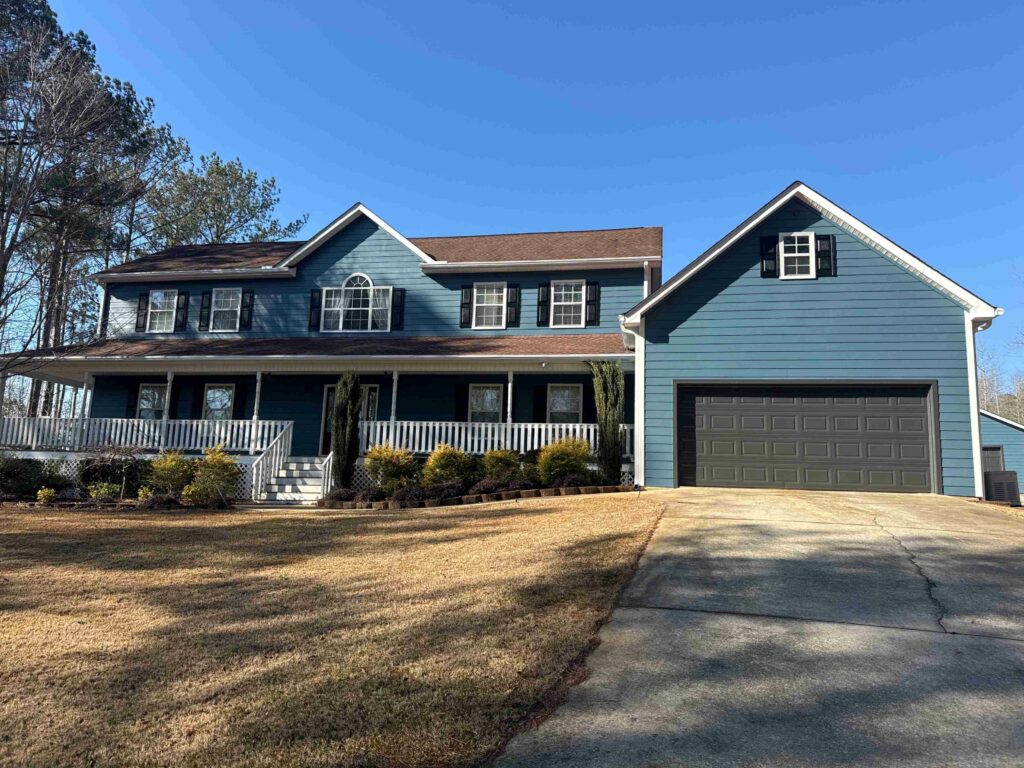
• Fiber cement siding and vinyl siding both offer real benefits, but the right choice depends on budget, weather resistance, and long-term care.
• In Jonesboro, GA, spring weather can expose siding problems fast, so it helps to compare durability, upkeep, and installation quality before deciding.
• This guide breaks down the key differences, common mistakes, and practical steps so homeowners can make a smarter siding choice with confidence.
Choosing the Right Siding for Your Home
When spring weather settles in across Jonesboro, GA, many homeowners start noticing small siding problems that can grow fast. Moisture, wind, and sudden temperature swings can wear down exterior walls before the season is over. If you are weighing fiber cement siding vs vinyl siding, now is the right time to look closely at how each one handles local conditions.
A siding choice should do more than look good from the street. It needs to stand up to rain, heat, and the kind of weather shifts that show up in Georgia during spring. That is why many homeowners look at long-term value instead of only the first price they see.
We often help property owners sort through siding choices at our siding installation and replacement service because the wrong material can mean more repairs later. Small cracks, warped boards, and fading color can all make a home feel older than it is. A careful choice now can save time, money, and stress later.
How to Compare Siding the Right Way
The best way to compare siding is to focus on what matters most for your home and your climate. Fiber cement is known for being strong and stable, while vinyl is often picked for its lower upfront cost and easy care. In a place like Jonesboro, where spring storms and humidity can be part of the picture, both materials deserve a close look.
We always recommend thinking about more than appearance when comparing fiber cement siding vs vinyl siding. You should look at how each product handles moisture, how much care it needs, and how well it holds up over time. That kind of side-by-side thinking helps homeowners make a smarter choice for their property and budget.
How to Compare Fiber Cement and Vinyl Siding
🔍 Step 1: Look at your home’s current condition
Start by checking for cracks, soft spots, warped panels, and faded areas. These signs help you see whether you need a full siding update or just a few repairs.
📋 Step 2: Think about your weather concerns
Spring in Jonesboro can bring rain, wind, and humidity that affect exterior materials in different ways. Choose the siding type that matches the weather patterns your home faces most often.
💰 Step 3: Compare upfront cost
Vinyl usually costs less at the start, which makes it appealing for many homeowners. Fiber cement often costs more to install, but some owners prefer its longer-lasting feel.
🧱 Step 4: Review durability needs
Fiber cement is made to handle tougher conditions and can hold up well when installed correctly. Vinyl can also last a long time, but it may be more likely to show wear in certain conditions.
🧼 Step 5: Consider maintenance time
Vinyl is known for being simple to care for, while fiber cement may need more attention over the years. Think about how much time you want to spend on cleaning, painting, and inspections.
🎨 Step 6: Compare curb appeal
Both materials come in styles that can improve a home’s look, but they create different visual results. Choose the one that fits your home’s style and the appearance you want to keep for years.
📐 Step 7: Check installation quality
Even good siding can fail early if it is installed the wrong way. A proper installation helps protect the home from water damage and helps the material perform as expected.
🛠️ Step 8: Get a professional opinion
A trained contractor can help you weigh the pros and cons based on your home’s size, condition, and exposure. This is often the easiest way to avoid a costly mistake and choose the better option for your situation.
Common Mistakes Homeowners Should Avoid
Many homeowners rush the decision when comparing siding materials and focus only on price. That often leads to disappointment later when the siding does not fit the home’s needs. The best way to avoid that problem is to look at weather, upkeep, and long-term use before deciding.
Another issue is forgetting that installation matters just as much as the material itself. Even a strong product can fail early if it is fitted poorly or sealed the wrong way. Careful planning and professional work help prevent water damage and early wear.
- ⚠️ Mistake 1: Choosing only by price
This happens when homeowners want to save money upfront and skip the bigger picture. It can lead to siding that does not hold up well in local weather, which means more repairs later. To prevent it, compare cost with durability, maintenance, and expected lifespan. - ⚠️ Mistake 2: Ignoring weather impact
This mistake happens when people forget how spring rain and humidity affect exterior materials. A siding choice that works in one climate may not be the best fit in Jonesboro, GA. Prevent it by choosing a material that matches local conditions and seasonal changes. - ⚠️ Mistake 3: Overlooking maintenance needs
Many DIY buyers assume all siding takes the same amount of care. That can create problems when the material starts needing cleaning, painting, or repairs sooner than expected. Prevent it by asking how much upkeep each option needs over time. - ⚠️ Mistake 4: Skipping the inspection step
This happens when homeowners want to move straight to replacement without checking the full condition of the home. Hidden damage can affect how new siding performs and can lead to avoidable issues. Prevent it by inspecting the walls carefully before any new material is installed. - ⚠️ Mistake 5: Underestimating installation quality
Some people think the siding product alone will solve the problem, but poor installation can undo the benefit. This often happens when the job is rushed or handled without enough experience. Prevent it by making sure the work is done with care and precision.
Frequently Asked Questions
Which is better for Georgia homes, fiber cement or vinyl siding?
Fiber cement is often the better choice for homes that need extra durability and weather resistance. Vinyl can still work well for many properties, especially when budget and low upkeep matter most.
Is fiber cement siding worth the extra cost?
Yes, fiber cement siding can be worth the higher upfront cost for homeowners who want strong performance and long-term value. It is often chosen by people who want a sturdier exterior that can handle tough weather.
How long does vinyl siding usually last?
Vinyl siding can last for many years when it is installed correctly and kept in good shape. Its lifespan depends on weather exposure, installation quality, and regular care.
What are the main differences in maintenance between fiber cement siding vs vinyl siding?
Fiber cement siding may need more upkeep over time, especially if painting or sealing is required. Vinyl siding is usually easier to maintain because it does not need the same level of finish care.
Can siding affect my home’s curb appeal?
Yes, siding has a major effect on curb appeal because it covers most of the exterior and shapes the home’s first impression. The right material and style can make a house look cleaner, newer, and better cared for.
Final Thoughts on Picking the Right Siding
The right siding choice should fit your budget, your home, and the weather your property faces each season. In Jonesboro, GA, spring can reveal weak spots fast, so it pays to compare materials carefully before making a decision. When you weigh fiber cement siding vs vinyl siding with care, you give your home a better chance at lasting protection.
We believe the best results come from paying attention to both performance and installation quality. If you are ready to talk through your options, we invite you to follow us on social media.