The Bigger the Project.
• Siding helps protect your home from outside heat and air leaks, which can support better comfort and lower energy use.
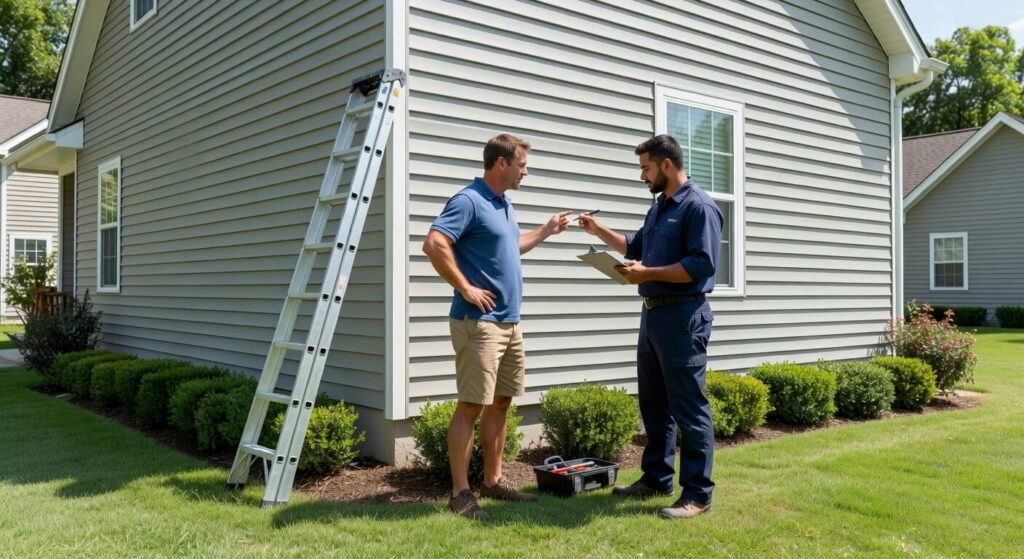
• A quick siding check can reveal damage, drafts, or worn spots that may be costing you money during the summer months.
• The right siding choice can improve home efficiency, support long-term comfort, and help your home perform better in warm Georgia weather.
Set Your Home Up for Better Energy Use
The main goal of siding is to help your home hold steady indoor temperatures in every season. When people ask how siding improves home efficiency, the answer starts with better protection against outside heat and air loss.
Good siding acts like a barrier that helps reduce stress on your heating and cooling system. If you are planning updates for your home in Luthersville, GA, it may help to review our siding services and see what fits your needs.
This matters even more in summer, when warm air can make your home work harder to stay cool. Strong siding can help support a more comfortable living space and may lead to lower energy use over time.
Checklist for Better Home Efficiency
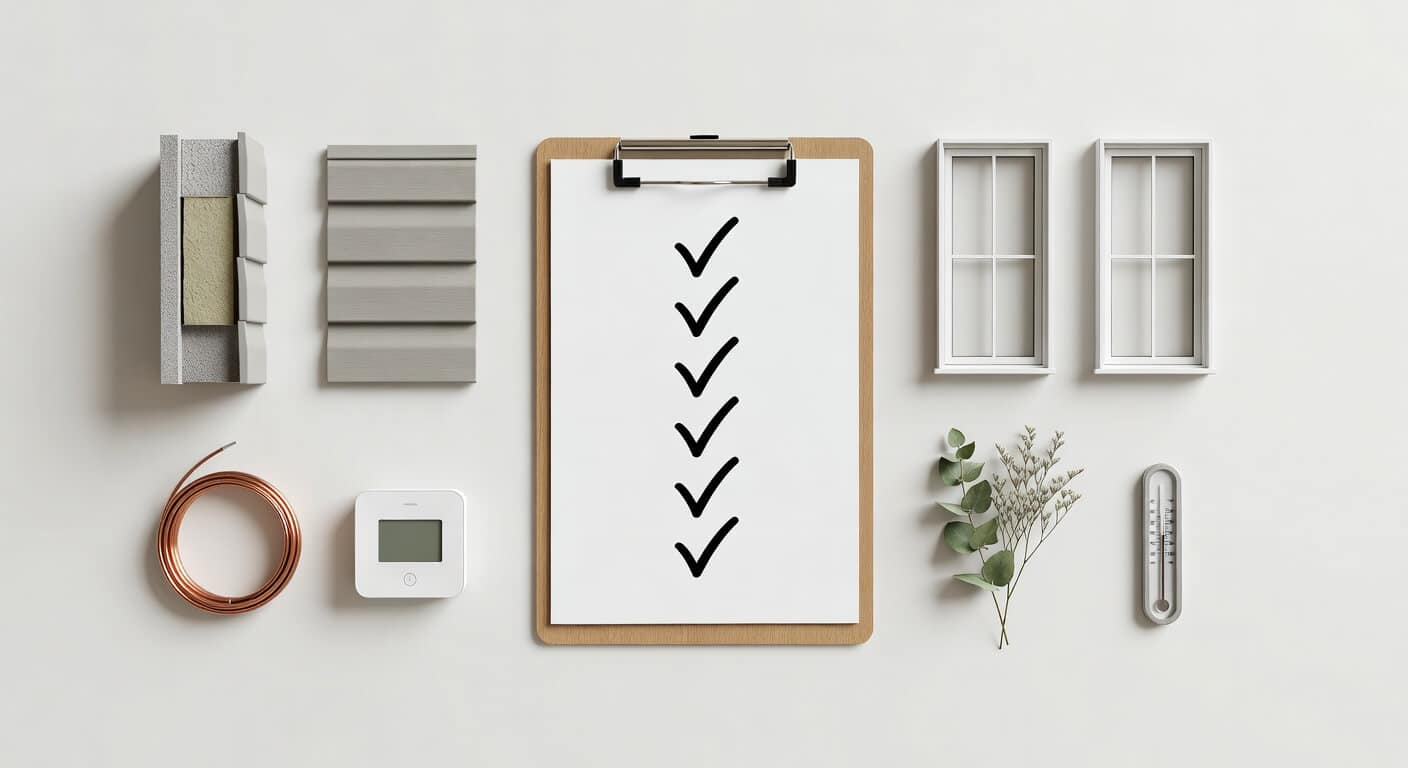
Use this checklist to make smart siding choices that support a cooler home in summer and a more stable indoor feel all year. Each step can help you understand how siding improves home efficiency in a simple, practical way.
- ✅ Check your current siding for cracks, gaps, or loose panels
- ✅ Look for signs of fading, warping, or soft spots
- ✅ Ask about siding materials that work well in Georgia heat
- ✅ Make sure insulation behind the siding is in good shape
- ✅ Pay attention to drafts near walls and corners
- ✅ Choose a style that fits your home and local weather needs
- ✅ Schedule a siding inspection before problems grow
- ✅ Work with a trusted local team for repair or replacement
When you follow these steps, it becomes easier to protect your home from heat and air leaks. Smart siding choices can support better comfort and help your home stay more efficient during the hot season.
Small issues can turn into bigger energy problems if they are ignored for too long. A careful siding check now can save time later and help your home perform better when summer temperatures rise.
Additional Advice
Pay close attention to how your walls feel during the hottest part of the day, since that can reveal weak spots in the siding. If your home heats up fast or your cooling system seems to run often, it may be time to look closer at the exterior.
Choose siding that fits both the look of your home and the weather in Luthersville, GA. For many homeowners, the best results come from pairing good materials with proper installation from a team like Roof-Tastic & Beyond Exteriors.
One common mistake is focusing only on style and not thinking about energy use. Another is waiting too long to fix small damage, which can lead to more air loss and less comfort inside the home.
It also helps to think about the full exterior system, not just the siding alone. Gutters, trim, and wall sealing all work together, so paying attention to the whole setup can support stronger results from your siding investment.
Frequently Asked Questions
How does siding help make a home more energy efficient?
Yes, siding helps make a home more energy efficient by creating a protective layer against heat, wind, and air leaks. When the siding is in good shape, your home can hold indoor temperatures more easily and reduce strain on your cooling system.
What type of siding is best for hot Georgia weather?
Yes, the best siding for hot Georgia weather is usually a material that handles heat well and resists warping or fading. A local siding expert can help you choose an option that fits your home and climate.
Can old siding raise energy bills?
Yes, old siding can raise energy bills if it has gaps, damage, or weak spots. Those problems can let hot air in and cool air out, which makes your system work harder.
How siding improves home efficiency in summer?
Yes, how siding improves home efficiency in summer comes down to better protection from outside heat. Good siding helps keep indoor air more stable, so your home stays more comfortable with less effort from the HVAC system.
When should I replace siding instead of repairing it?
Yes, you should replace siding instead of repairing it when the damage is widespread, repeated, or affecting insulation performance. If repairs keep adding up, replacement is often the smarter long-term choice.
Final Thoughts on Home Efficiency
Siding plays a major role in keeping your home cooler, steadier, and more comfortable during the summer months. When the outside shell of the home is in good shape, it can support better energy use and reduce avoidable stress on your cooling system.
If you have noticed drafts, damage, or rising utility costs, now is a good time to take a closer look at your siding. For more updates and local exterior tips, follow our latest work on Instagram.