The Bigger the Project.
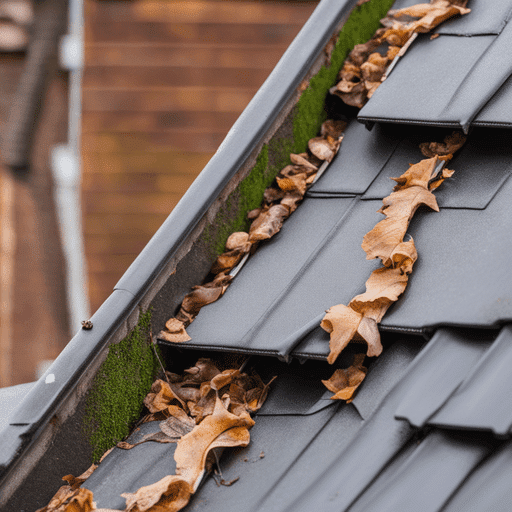
• Summer gutter care matters fast: In Lithia Springs, GA, heavy rain and seasonal debris can cause gutters to clog sooner than many homeowners expect. Staying ahead of buildup helps protect the roofline, siding, and foundation from water damage.
• Know the right cleaning rhythm: how often should gutters be cleaned depends on storm activity, nearby trees, and how quickly debris collects. Regular checks during summer help catch overflow issues before they turn into larger repairs.
• Small warning signs can mean big trouble: Water spilling over the edge, sagging gutters, and stains on siding all point to drainage problems. A simple cleaning schedule can help keep your home dry and reduce avoidable repair costs.
How Often Should Gutters Be Cleaned in Summer
When summer storms roll through Lithia Springs, gutters can fill up faster than many homeowners expect. Leaves, twigs, and roof grit can trap water and push it where it does not belong. If that water backs up, it can lead to stains, overflow, and damage that gets worse with each heavy rain.
We often see gutter problems start small and then grow after just a few weather changes. That is why paying attention to how often should gutters be cleaned matters before the season turns rough. For help with gutter care, our gutter and downspout services can help keep water moving the right way.
In summer, warm weather can make it easy to put off outdoor maintenance. But clogged gutters do not wait, and the longer debris sits, the more likely it is to create issues around your roofline and foundation. A simple cleaning at the right time can save a lot of stress later.
Why Summer Gutter Care Matters
Summer in Georgia can bring quick storms, high humidity, and sudden downpours that test any drainage system. When gutters are blocked, water can spill over the sides and soak areas that should stay dry. That extra moisture can also attract pests and speed up wear on fascia boards and siding.
The best time to think about how often should gutters be cleaned is before the signs of trouble show up. In many homes, a cleaning after spring pollen and again after strong summer storms makes sense. If your home already has roof edge buildup, checking the full drainage path is a smart move.
We also recommend paying attention to where water lands during a storm. If you see sheets of water pouring over the edge or puddles forming near the base of your home, the gutters may already be overloaded. A fast response now can help prevent bigger repairs later.
Tips from the Pros
🌧️ Tip 1: Check gutters after heavy rain
Heavy rain can quickly reveal problem spots in your gutter system. If water is spilling over the edge or backing up, debris may be blocking the flow.
🧹 Tip 2: Remove leaves and roof grit early
Leaves and asphalt shingle grit can collect in gutters even during warmer months. Clearing that debris early helps water move freely and reduces the chance of overflow.
🔎 Tip 3: Look for sagging or loose sections
A gutter that hangs unevenly may not drain the way it should. Loose fasteners can let water pool in the wrong spots and cause added strain.
📅 Tip 4: Set a summer cleaning schedule
A regular routine makes it easier to stay ahead of buildup. For many homes, checking gutters once during summer and after major storms is a practical habit.
🛠️ Tip 5: Watch for water near the foundation
If water is pooling near your home, clogged gutters may be part of the problem. Keeping gutters clear helps send runoff away from the base of the house.
🌿 Tip 6: Trim back nearby tree branches
Overhanging limbs can drop leaves, twigs, and seeds into gutters. Keeping branches trimmed can cut down on how quickly debris builds up.
🏠 Tip 7: Inspect downspouts for slow drainage
Downspouts should carry water away smoothly and quickly. If they are clogged, even clean gutters can still overflow during a storm.
👀 Tip 8: Pay attention to stains on siding
Dark marks or streaks on siding can be a sign that gutters are spilling water. Catching those signs early can help prevent more serious moisture problems.
Frequently Asked Questions
How often should gutters be cleaned in summer?
Gutters should usually be cleaned at least once during summer, and more often if nearby trees drop a lot of debris. The answer to how often should gutters be cleaned also depends on storm activity and how quickly your gutters collect buildup.
What happens if gutters are not cleaned?
Gutters that are not cleaned can overflow, clog downspouts, and send water into places it should not go. Over time, that can lead to roof edge damage, siding stains, and foundation problems.
How do I know if my gutters are clogged?
A clogged gutter often shows signs like water spilling over the edge, visible debris, or slow drainage during rain. You may also notice sagging sections or water stains near the roofline.
Does summer weather affect gutter cleaning needs?
Yes, summer weather can increase the need for cleaning because heavy storms can move debris into the system fast. In a place like Lithia Springs, strong rain and humidity can make clogged gutters a bigger concern.
Can clogged gutters damage my roof?
Yes, clogged gutters can damage your roof by letting water sit near the edge and back up under roofing materials. That extra moisture can lead to rot, leaks, and avoidable repair needs.
Keep Your Gutters Ready This Summer
Summer gutter care is one of the simplest ways to protect your home from water damage. Staying on top of debris, runoff, and drainage issues can help you avoid costly problems when storms hit Lithia Springs. If you want to stay connected with our team, follow us on social media.