The Bigger the Project.
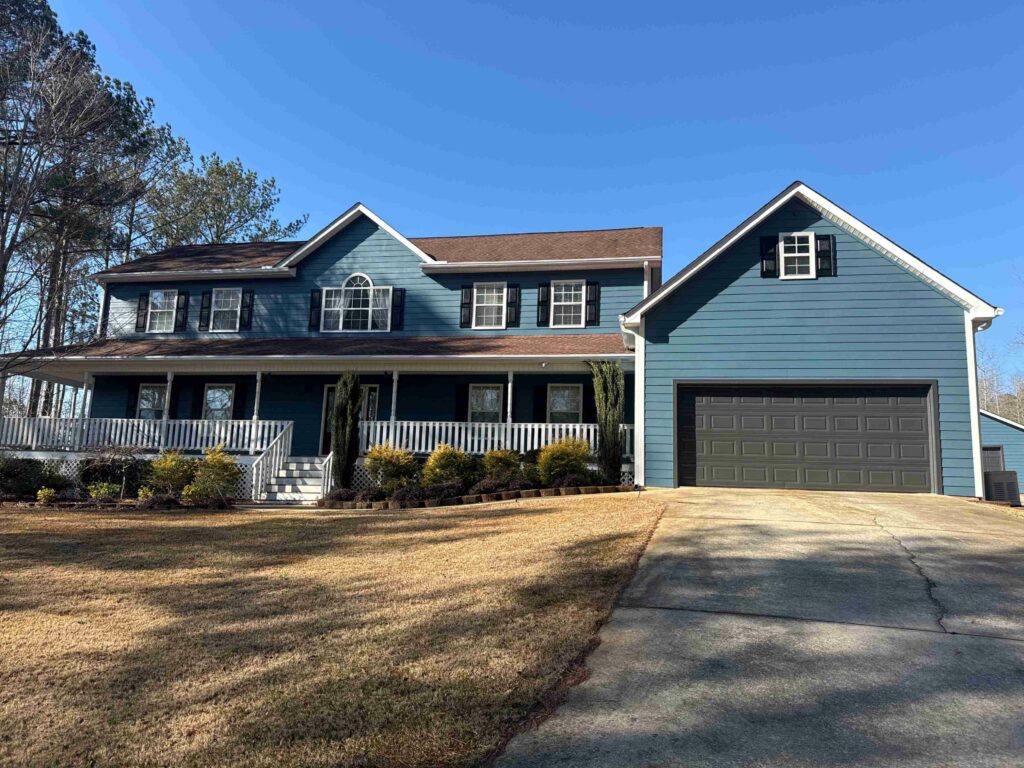
• Understand the Importance: Learn why post-winter siding inspections are crucial in Georgia, identifying potential damages from harsh weather.
• Step-by-Step Guide: Follow a comprehensive checklist to thoroughly inspect your home’s siding for cracks, warping, and moisture issues.
• Seek Professional Expertise: Discover the benefits of hiring a professional for an in-depth siding assessment to ensure the longevity and safety of your home.
Identifying Potential Siding Troubles
As the frost of winter thaws and the fresh bloom of spring approaches Lithia Springs, your home’s exterior calls for a thorough scrutiny. Georgia winters, known for their fluctuating extremities, can take a silent toll on your siding. Hence, as we welcome the spring, it’s critical to be vigilant—begin with an annual siding inspection, targeted to unveil the hidden winter havoc. It’s not merely a maintenance check but a preventive strategy to shield your abode from escalating issues.
Initiate your home’s post-winter examination by studying the outward conditions. Search for visible scarring like warping, cracking, or chipped segments, which directly testify the siding’s showdown with winter. These conspicuous cues serve as the preliminary indicators of potential underlying damage. Diligence at this stage is key, as these flaws, when ignored, could pave the way for more severe structural diminution.
Moreover, an often-overlooked yet critical aspect is water intrusion, the nemesis of sturdy exteriors. Inspect the peripheries of windows and doors, and the junctions where siding meets trim. This is where unwanted moisture stealthily breaches, propelled by winter’s capriciousness, and if discovered should be addressed promptly. As Lithia Springs ushers in Spring’s embrace, assessing these vulnerabilities becomes paramount to ensure your sanctuary remains intact and secure.
Mold, Mildew, and Your Home’s Health
In the warmth of spring, a sinister issue may lurk unnoticed on your home’s siding: the growth of mold, mildew, and fungus. This trio thrives in moisture-rich environments, a common aftermath of Georgia’s winter weather. As you survey your siding, remain particularly alert for any dark spots or fuzzy patches that signal their presence. These not only detriment the aesthetics of your home but can also compromise structural integrity and indoor air quality.
To combat these unwelcome guests, begin with a gentle yet thorough cleaning, avoiding harsh chemicals that may damage your siding further. Should you spot substantial mold or fungus, this is a task for professionals who can ensure safe and effective remediation. Remember, proactive measures today can prevent the need for extensive, costly repairs in the future. For expert assistance, consider reaching out to the dedicated team at Roof-Tastic & Beyond Exteriors, who specialize in maintaining and restoring the health of your home’s exterior.
When The Seal Breaks
Another pivotal component to check as part of your siding inspection is the sealant and caulking. These materials are the unsung heroes that keep your home snug and dry by sealing out moisture and drafts. Winter’s chill can cause these to shrink or crack, jeopardizing the protective seal around your home. A simple visual inspection along the seams of your siding can reveal if these areas need resealing, a simple yet effective way to preempt water damage.
Note that some sealant issues can be easily remedied with a DIY approach, using the right materials and a bit of know-how. However, if you uncover widespread problems or suspect that there’s more damage than meets the eye, don’t hesitate to seek professional evaluation. Timely repairs not only extend the life of your siding but also ensure that your home remains energy-efficient, warding off high utility bills. It’s one of those little things that have a big impact on the overall well-being of your dwelling.
Step 1: Schedule Your Inspection
Plan to inspect your siding annually, particularly as winter in Georgia can be tough on your home’s exterior. Early spring is the ideal time to assess any damage from the colder months.
Step 2: Check for Visible Damage
Walk around your property and look for any noticeable signs of siding damage. This includes warping, cracking, or rot, which can be caused by winter’s moisture and freezing temperatures.
Step 3: Examine for Water Intrusion
Inspect around windows, doors, and corner boards for any water stains or damage that may indicate moisture has penetrated your siding, which is a common post-winter issue.
Step 4: Look for Mold, Mildew, or Fungus
These can develop when your siding is exposed to prolonged moisture, typical in Georgia’s winter. Early detection and treatment are crucial to prevent spread and potential health risks.
Step 5: Assess the Sealant and Caulking
Ensure that the caulking around joints and seams is intact. Winter may cause it to dry and crack, compromising the protective seal of your home’s exterior in Lithia Springs.
Step 6: Check for Loose or Missing Pieces
High winds and storms during the winter may displace sections of siding. Secure any loose pieces and replace those that are missing to protect your home from the elements.
Step 7: Investigate for Insulation Issues
After winter, it’s good to check if your siding still adequately insulates your home. Inconsistent indoor temperatures and high energy bills can be signs of insulation problems.
Step 8: Contact a Professional
If you’ve noted any issues or are unsure of your inspection, it’s wise to consult with a siding professional. Roof-Tastic & Beyond Exteriors in Lithia Springs, GA, can provide a comprehensive evaluation and suggest necessary repairs or replacements.
Steering Clear of Common Siding Inspection Mistakes
Embarking on a DIY siding inspection post-winter may seem straightforward, but it’s riddled with potential pitfalls. Many homeowners dive in with enthusiasm yet lack the nuanced understanding that safeguards against inadvertent damage. Recognizing and avoiding common missteps not only ensures the effectiveness of your inspection but also preserves the longevity of your home’s exterior.
Mistake 1: Overlooking Small Issues
– People often dismiss minor cracks or slight warping as inconsequential, but even small imperfections can lead to big problems. To prevent this, take note of even the slightest irregularities during your inspection.
Mistake 2: Using Harsh Cleaning Agents
– In the effort to remove mold or mildew, homeowners may resort to strong chemicals that can damage siding materials. Use gentle, approved solutions and follow manufacturer recommendations to clean without causing harm.
Mistake 3: Ignoring Proper Safety Measures
– Inspecting siding often involves ladders and working at heights. Always prioritize safety by using appropriate equipment and practices, or by hiring professionals when in doubt.
Mistake 4: Neglecting Sealant and Caulking
– Caulking and sealant degradation may seem minor, but these are critical for keeping moisture out. Regular checks and maintenance prevent the need for extensive future repairs.
Mistake 5: Improper Repair Techniques
– DIY repairs can go awry if one lacks the correct tools and knowledge. Avoid causing further damage by researching proper repair techniques, or by consulting with a professional for advice or service.
Mistake 6: Delaying Professional Consultation
– When issues are identified, some may postpone seeking expert assistance. Timely professional evaluations by teams like Roof-Tastic & Beyond Exteriors can mitigate damage and save resources in the long term.
Securing Your Siding Against the Elements
When inspecting your siding, it’s essential to assess the effects of winter storms and high winds which may have left your siding in a vulnerable state. Loose or missing pieces are more than just cosmetic issues; they can lead to severe problems if moisture or pests find their way into your home. Immediate action to replace or reattach these pieces will help maintain your home’s integrity and prevent further damage.
Georgia’s inconsistent winter temperatures can also play havoc with your siding’s ability to insulate your home. If you’ve noticed a draft indoors or a spike in your energy bills, it may be time to inspect your siding for insulation efficiency. Ensuring your siding is properly doing its job is key to maintaining a comfortable and energy-efficient home year-round.
When to Call in the Experts
If your DIY inspection uncovers any concerning issues, or if you’re simply unsure of your findings, it’s time to turn to the experts. Roof-Tastic & Beyond Exteriors offers unparalleled expertise and service in siding inspection and repair. Don’t hesitate to reach out for a professional assessment, which can save you time and money in the long run.
Remember that siding inspection after a harsh winter is crucial for the longevity of your home, particularly in the varied Georgian climate. Maintenance and early detection of problems can prevent costly repairs and extend the life of your siding substantially. For a comprehensive siding solution, check out the services provided by Roof-Tastic & Beyond Exteriors, your local experts in Lithia Springs.