The Bigger the Project.
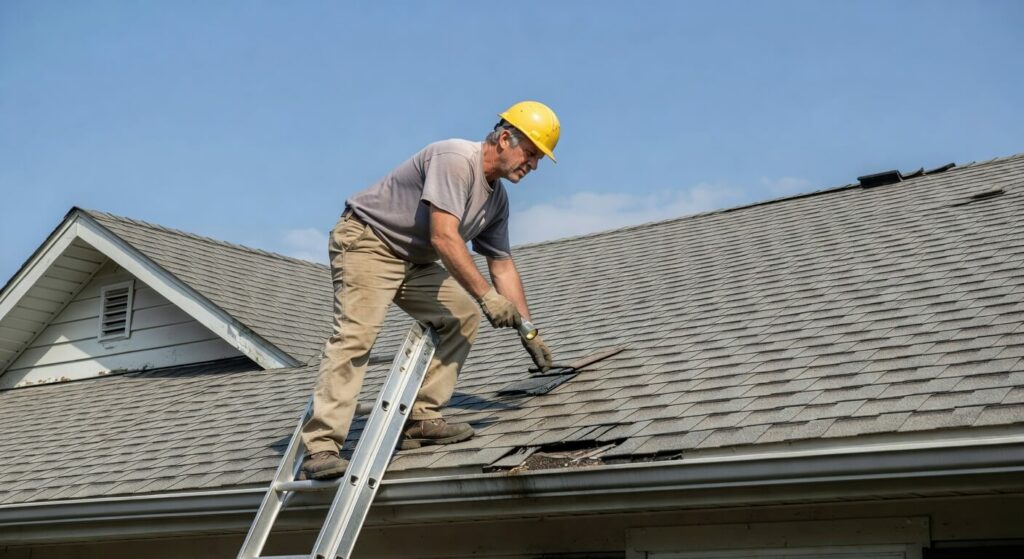
• Hidden roof damage can be easy to miss, but early warning signs often appear in the attic, gutters, ceilings, and roof edges after summer storms.
• A step-by-step roof check helps homeowners spot missing shingles, damaged flashing, water stains, and other issues before they turn into larger repairs.
• Avoiding common DIY mistakes and knowing when to call a roofing professional can help protect your home from costly damage and leaks.
Why Hidden Roof Damage Matters
In summer weather, roof problems can grow fast if they are left alone. Heavy rain, strong sun, and sudden storms can all push a small issue into a bigger repair need. That is why how to find hidden roof damage matters before the next round of bad weather hits Hogansville, GA. When we catch problems early, we can protect the home and help avoid surprise costs later.
Hidden damage is often hard to spot from the ground, but it still affects the roof’s strength. A loose shingle, a small leak, or damaged flashing may not look serious at first, yet each one can let water in over time. If you wait too long, that water can spread into the attic, ceilings, and walls. We recommend starting with a careful look at the roof and, when needed, checking our roof repair and maintenance services for support.
The good news is that many warning signs can be found early with a simple routine. Summer storms in our area can leave behind damage that is easy to miss until the next rainfall makes it worse. By paying attention to your roof now, you give yourself a better chance to stop a minor concern from turning into a bigger headache. That kind of attention is especially important for homeowners who want to stay ahead of weather-related problems.
What Hidden Roof Damage Looks Like
Hidden roof damage does not always show up as a leak right away. Sometimes the first signs are curled shingles, dark spots on the ceiling, or granules collecting in gutters after a storm. We also watch for soft spots, bent flashing, and shingles that no longer lie flat. These clues often point to trouble that needs a closer look.
A roof can look fine from the street and still have damage underneath the surface. Heat, wind, and heavy rain can weaken roofing parts even when the outside still appears mostly normal. That is why it helps to check the attic, the roof edges, and the areas around vents and chimneys. If you want to stay ahead of issues, regular inspection is one of the best ways to how to find hidden roof damage before it spreads.
Step-by-Step Guide
🔍 Step 1: Look at the roof from the ground
Start by checking the roof from a safe spot on the ground with a clear view. Look for missing shingles, uneven areas, or pieces that seem lifted after wind or rain. This first check helps you spot obvious trouble before you move closer.
🪜 Step 2: Check the attic for warning signs
Go into the attic and look for water stains, damp wood, or sunlight coming through the roof boards. These signs can point to damage that is not visible from outside. A dry attic usually means less chance of hidden leaks spreading.
🌧️ Step 3: Inspect after a storm
Examine the roof soon after heavy rain, strong wind, or hail. Storms can loosen shingles, crack flashing, and push water into weak spots. Early checking gives you a better chance to catch damage before it gets worse.
🧱 Step 4: Review flashing and roof edges
Pay close attention to flashing around chimneys, vents, and valleys. These areas often fail first because they take on a lot of water and movement. If the metal looks bent, cracked, or loose, it may need repair.
🧹 Step 5: Clear and inspect the gutters
Look for shingle granules, debris, or bits of roofing material in the gutters. These can be clues that the roof surface is wearing down or has been hit by weather. Clean gutters also help water move away from the roof the way it should.
🏠 Step 6: Watch for signs inside the home
Check ceilings, walls, and upper corners for stains, peeling paint, or bubbling spots. Water often shows up inside after it has already moved through the roof layers. These signs can help confirm that hidden damage is present.
🛠️ Step 7: Schedule a professional inspection if needed
If anything looks off, have a roofing expert take a closer look. Some damage is hard to confirm without proper training and equipment. A professional inspection can help find problems before they spread farther.
Mistakes That Can Hide Roof Problems
DIY roof checks can help, but small mistakes often lead people to miss damage that is already there. Some issues are hard to see unless you know where to look and what each sign means. These mistakes can also lead to bigger repair bills if they are left unchecked.
- ⚠️ Mistake 1: Only checking from the ground
Many people stop after a quick look from below because it feels safer and faster. The problem is that hidden roof damage often shows up in flashing, valleys, and other close-up spots that cannot be seen from the yard. To prevent this, always follow the ground check with a closer look inside the attic and around key roof areas. - ⚠️ Mistake 2: Ignoring the attic
Some homeowners never look inside the attic, so they miss stains, damp spots, or light coming through the roof deck. This happens because the attic is easy to overlook, especially when the roof itself seems fine. To avoid this mistake, make the attic part of every inspection after a storm or heavy rain. - ⚠️ Mistake 3: Waiting for an active leak
A common mistake is assuming the roof is okay until water starts dripping indoors. By then, the damage may have already spread deeper into the roof layers. The better approach is to look for early signs like lifted shingles, granules in the gutters, or ceiling stains before a leak becomes obvious. - ⚠️ Mistake 4: Missing storm damage around roof edges
People often focus on the center of the roof and forget the edges, vents, and chimneys. These spots take on a lot of stress during wind and rain, so they can fail first. To prevent this, inspect flashing, valleys, and edge shingles carefully after every summer storm. - ⚠️ Mistake 5: Putting off a professional inspection
Some roof problems are easy to miss without the right experience, so waiting too long can make the issue worse. This usually happens when homeowners think a small sign is not urgent or hope it will go away. To prevent that, get help as soon as you see repeated stains, loose shingles, or signs of water inside the home.
Frequently Asked Questions
How can I tell if my roof has hidden damage?
Yes, you can spot hidden damage by looking for loose shingles, ceiling stains, granules in the gutters, and damp areas in the attic. These signs often show up before a full leak appears, so they are important to catch early.
What is the easiest way to check for roof damage after a storm?
Yes, the easiest way is to inspect the roof from the ground, then check the attic and gutters for signs of trouble. After a storm, look for missing shingles, debris, and any water spots inside the home.
Can hidden roof damage cause a leak later?
Yes, hidden roof damage can lead to a leak if it is not fixed in time. Small cracks, lifted shingles, and damaged flashing often let water in slowly before the problem becomes obvious.
How often should I inspect my roof in summer?
Yes, you should inspect your roof at least after major storms and once during the summer season. Hot weather and sudden rain can wear down roofing parts faster than many homeowners expect.
When should I call a roofing professional?
Yes, you should call a roofing professional if you see stains, soft spots, missing shingles, or signs of water in the attic. A trained inspection can confirm hidden roof damage and help you act before the problem spreads.
Stay Ahead of Roof Damage
The best way to protect your home is to catch roof problems before they spread. A careful check of the roof, attic, gutters, and flashing can reveal damage that is easy to miss at first. When we act early, we help protect the home from bigger repairs later.
Summer weather in Hogansville can be hard on roofing materials, so timely inspections matter. If you have noticed signs of wear or want a closer look after a storm, we are here to help. For more updates and project insights, follow us on Instagram.