The Bigger the Project.
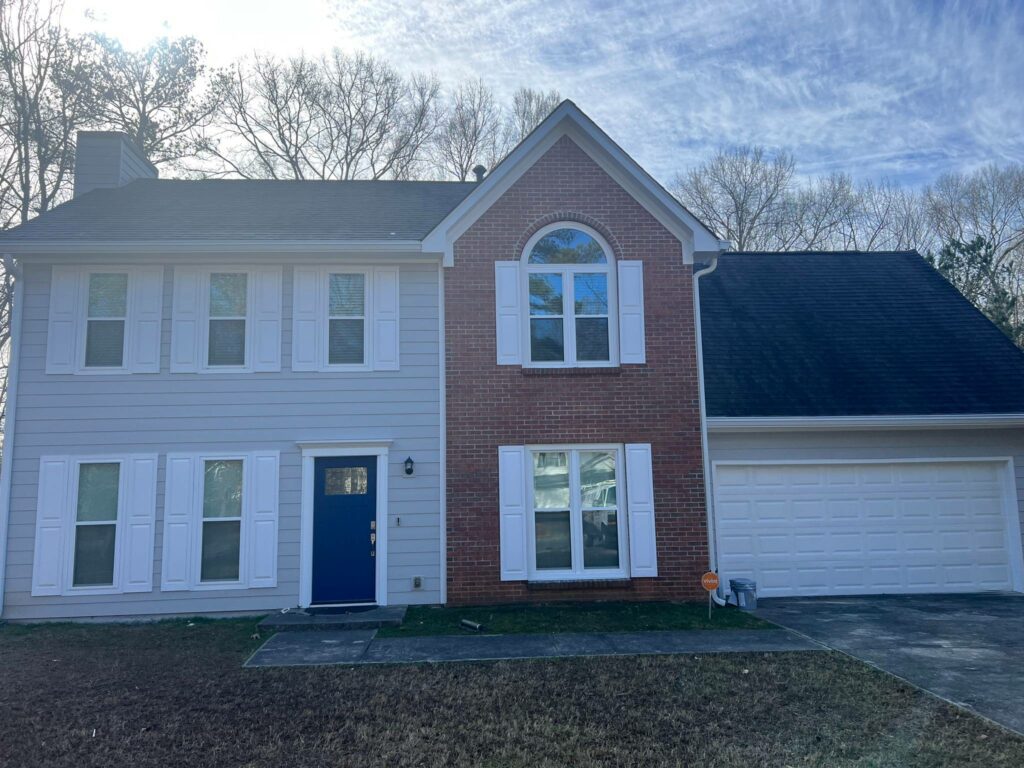
A Clear View on Energy Savings
Understanding the energy efficiency ratings on windows is more than a matter of technical detail—it’s a critical aspect of home improvement that resonates with your comfort, cost savings, and environmental footprint. With energy prices on a constant climb, homeowners in Mableton, GA are turning to every possible measure to ensure their homes are as energy-efficient as possible. It’s not just about keeping the house cool in the blazing summer or cozy during a chilly spring night; it’s about making informed choices that have lasting benefits. Given the complex world of glazing, coatings, and frames, decoding these ratings is your roadmap to a smarter, more sustainable home.
In our quest for enhancing home efficiency, the topic of ‘Energy Efficiency Ratings for Windows Explained’ emerges as a beacon of vital information. It’s a subject surrounded by questions: How do these ratings affect my living space? Can I cut down my electric bills by choosing the right windows? What does U-factor or Solar Heat Gain Coefficient even mean? Answering these questions is the first step towards embracing a lifestyle that values planetary health as much as personal savings. We’re peeling back the layers to bring you straightforward answers and actionable insights.
Seasonal shifts in Mableton bring their own set of challenges and opportunities when it comes to selecting and maintaining energy-efficient windows. The bright, warm sun of a Georgian spring whispers the need for windows that can withstand and leverage the solar heat gain to your advantage—with the right ratings, you can turn the weather to your favor. And as we edge closer to warmer months, the urgency for energy-efficient upgrades grows, pressing homeowners to act now to secure their comfort and cost savings throughout the year. These concerns are valid, and here, we address them head-on, bringing a sense of clarity that can only come from expertise in the field.
Diving Deeper into Window Efficiency
Peering through the lens of window energy efficiency, U-factor and Solar Heat Gain Coefficient (SHGC) are the twin pillars that uphold your home’s thermal integrity. The U-factor measures how well a window can keep heat from escaping, and the lower this number, the better the insulative properties of the window. SHGC, on the other hand, quantifies the solar radiation admitted through a window—crucial for harnessing or blocking the sun’s heat depending on the season. Together, these ratings guide homeowners in choosing windows that balance light and warmth, ensuring comfort without inflating energy costs. Both metrics are essential in crafting a home environment that’s not only comfortable but also cost-effective in the long term.
Windows are gateways to efficient energy management at home, with various types offering different levels of performance. For example, double-glazed windows filled with argon gas can significantly reduce energy loss, offering a buffer against the elements. Energy Star certified windows are a lucrative investment that could lead to significant savings on utility bills over time, making them a financially savvy choice for the environmentally conscious retrofit or new build. With innovative technologies emerging, the possibilities for enhancing your home’s thermal efficiency are expanding. Browse our complete range of efficient window solutions to find the ideal match for your home.
Investing in high-performing windows goes beyond the initial cost; it integrates long-term savings into your financial planning. The selection of energy-efficient glazing options shouldn’t leave you out in the cold when it’s time to evaluate cost versus benefit. Opting for low-emissivity coatings, for instance, could reflect heat back into the room, lowering energy demand and reducing heating costs. Meanwhile, quality window frames not only contribute to aesthetic appeal but also play a crucial role in maximizing energy conservation. Grasping these technicalities transforms you from a consumer into an informed decision-maker, well-equipped to navigate the world of energy efficiency.
Your Plan for Energy-Efficient Windows
Your quest for energy-efficient windows is not just a practical choice but an expert move towards a sustainable future. The right glass can indeed become your silent ally, working round the clock to ensure your living space remains your sanctuary, regardless of the unpredictable weather outside. A professional installation is critical; an improperly sealed window, no matter how advanced, can undermine your investment and energy-saving goals. Consider also the direction of your windows to maximize natural light while minimizing unwanted heat gain. Trust in expert advice and meticulous craftsmanship to render your energy-efficient windows both functional and cost-effective.
Maintaining your windows is just as essential as choosing them; it’s an ongoing commitment to energy efficiency. Seals and weatherstripping are your first defense against energy loss, where even minor neglect can lead to significant inefficiencies. Regular inspections, cleaning, and timely repairs will not only extend the life of your windows but also maintain their performance at peak levels. With about 30% of residential heating and cooling energy attributed to windows, diligent maintenance can have a profound impact on your energy consumption. Be proactive in upkeep to ensure your windows continue to be a source of comfort and savings.
In wrapping up, remember that making your home energy efficient with the right windows is a move that pays dividends in comfort, savings, and peace of mind. We’ve demystified the jargon surrounding energy ratings and provided practical insights to inform your decisions. It’s now your turn to take the next step towards optimizing your home’s energy potential. Your journey towards an energy-smart home is just a click away—explore our extensive selection of energy-efficient windows. With Roof-Tastic & Beyond Exteriors, you are assured that expert guidance is always within reach, ensuring you make the most informed choices for your Mableton, GA home.
Insights From The Experts
Tip 1:
When evaluating windows for energy efficiency, always check the ENERGY STAR label. This label indicates the window meets strict energy performance standards set by the EPA.
Tip 2:
Consider the orientation of your windows. North-facing windows, for instance, won’t bring in as much solar heat as south-facing ones, affecting the SHGC rating you should aim for.
Tip 3:
Don’t overlook the window frame material. Materials like fiberglass, vinyl, and wood can offer better insulation compared to aluminum frames, thereby improving energy efficiency.
Tip 4:
Proper installation is crucial for maximizing the energy efficiency of your windows. Even the highest-rated window can underperform if not correctly installed, so always use a professional service.
Tip 5:
Regular maintenance extends the life and efficiency of your windows. Inspect seals and weatherstripping annually and address any issues to prevent heat loss and drafts.
Expert Answers to Your Window Queries
How do energy efficiency ratings on windows affect my energy bills?
Energy efficiency ratings like U-Factor and SHGC indicate how well a window can insulate and regulate heat from the sun, respectively. The better these ratings, the less you’ll rely on heating and cooling systems, leading to lower energy bills.
What is the difference between U-Factor and Solar Heat Gain Coefficient?
U-Factor measures the window’s insulation ability—how well it prevents heat from escaping your home—while Solar Heat Gain Coefficient rates how much solar radiation passes through, impacting your home’s cooling needs.
How can I tell if my current windows are energy-efficient?
Check for an ENERGY STAR label which signifies high efficiency, examine the windows for double or triple-pane glass, and look at the frames—materials like vinyl or wood offer better insulation than aluminum.
What are the most cost-efficient window glazing options available?
Low-emissivity (low-E) coatings on windows provide high energy efficiency at a reasonable cost, reflecting interior temperatures back inside your home and reducing the need for heating and air conditioning.
What should I consider when choosing energy-efficient windows for different seasons?
Consider the climate in Mableton, GA; for instance, in spring you might prioritize windows with lower SHGC to block out unnecessary solar heat as temperatures begin to rise, maintaining indoor comfort.