The Bigger the Project.
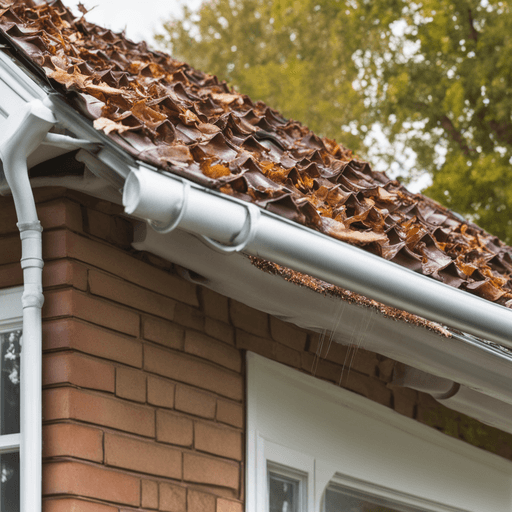
• Discover effective methods for downspout extension installation to protect your home’s foundation from water damage.
• Learn about the best practices for placing, securing, and maintaining downspout extensions for optimal performance.
• Understand when to seek professional advice for downspout extension solutions and see how expertise can save time and ensure quality results.
Recognizing the Need for Downspout Extension Best Practices
As homeowners in Jonesboro, GA, where seasonal rains can test the limits of our homes, it’s crucial to be vigilant about water diversion. You may have noticed pooling water around your foundation after a downpour—a telltale sign that your downspouts might not be doing their job effectively. Rather than accepting this as a minor nuisance, it’s important to realize that this can lead to a bigger issue, such as foundation erosion or basement flooding. Taking time to inspect your downspouts now can save a lot of trouble and expense down the line.
Another sign you shouldn’t ignore is the presence of water stains or mildew growth on your home’s siding or along exterior basement walls. These can indicate that water is not being directed far enough away from your house and would benefit from a well-placed downspout extension. Consider, too, any noticeable soil erosion in your garden or landscape, which often occurs when water flows uncontrolled from a downspout. Proactively addressing these issues by reinforcing downspout efficiency is not just about protecting property, but also preserving the aesthetics of your outdoor space.
Gutters overflowing during storms can also indicate that your current downspout setup needs revisiting. If water isn’t channeled away properly, it can cause overflows that may damage both your roof and siding. Before these warning signs develop into major repairs, take the initiative to assess and upgrade as needed with durable and appropriate downspout extensions. This preventative measure will ensure your home continues to withstand the seasonal challenges unique to our region.
Preparation for Downspout Extension Installation
Before embarking on your downspout extension project, it’s advisable to gather the right tools and materials. You’ll need a quality extension piece, preferably one that matches or complements your existing gutter system both in function and style. A hacksaw may be required for cutting, and don’t forget the fasteners or screws—they’ll be crucial for securing the extension. Have a drill on hand as well to facilitate easy installation, and ensure that all equipment is suitable for outdoor use to withstand Jonesboro’s fluctuating weather.
Ensuring a Proper Fit
An overlooked but essential aspect is preparing the installation area. Start by clearing any leaves, twigs, or debris that might obstruct water flow. Measure twice, cut once—this old adage is particularly apt when ensuring your downspout extensions fit perfectly and function seamlessly. Verify the length necessary to effectively channel water away from your house and be ready to make any adjustments required for a snug fit. With these preparatory steps in place, you’ll be set for a smooth installation process and a more water-resilient home.
Installing Downspout Extensions for Effective Water Management
Proper installation is key to ensuring that downspout extensions perform their role efficiently. To start, attach the extension securely to your current downspout. You’ll want to confirm the angle at which it’s placed is optimal for directing water away from your home’s foundation—a crucial factor in preventing water-related complications. This might seem like a small detail, but its impact on the integrity of your house is significant.
After installation, it’s important to carry out a proper test to ensure everything is in order. Pour water into your gutter and observe how it moves through the downspout and out the extension—this is the best way to check for any potential leaks or blockages. Adjustments may be made if the water is not flowing freely. Regular checks like this, especially before heavy rains, can save you from costly repairs and damage in the long run.
Maintaining Your Gutter System for Longevity
Maintenance is an ongoing aspect of owning a home and plays a critical part in guarding against water damage. Scheduling regular cleanings of your gutters and downspouts can prevent the buildup of leaves and debris that could lead to blockages and overflows. Additionally, taking a moment each season to inspect and adjust your downspout extensions can keep your system working properly as weather patterns change. For more extensive tips and services, visit your local experts on gutters and downspouts.
In line with keeping a robust exterior, consider the condition of your siding, as it plays a role in protecting your home from water infiltration. Any signs of wear or damage could indicate that your downspout extensions require fine-tuning or that other areas of your gutter system need attention. Professionals can offer valuable services to ensure your home’s exterior remains secure. Feel free to explore siding services for a comprehensive check and maintenance.
Step 1: Assess Your Home’s Exterior
Examine the areas around your home where downspouts are currently installed. Look for signs of water damage or erosion that can be mitigated with the correct placement of downspout extensions.
Step 2: Choose the Right Extension Type
Decide on the type of downspout extension that best suits your home’s needs, considering factors such as material durability, length requirements, and compatibility with your existing gutter system.
Step 3: Gather Your Materials
Collect all necessary tools and materials before you start the installation process. This will typically include your chosen downspout extension, a hacksaw or similar cutting tool, screws or fasteners, and a drill.
Step 4: Prepare the Installation Area
Clear any debris from the gutter and downspout to ensure proper water flow. Measure the area where the extension will be placed to ensure a proper fit.
Step 5: Install the Downspout Extension
Attach the downspout extension to the existing downspout, making sure it’s securely fastened. Ensure the angle and direction will effectively divert water away from your home’s foundation.
Step 6: Test for Proper Water Flow
Pour water into the gutter to check that it flows smoothly through the downspout and out through the extension without any leaks or overflow at the connections.
Step 7: Optimize for Seasonal Changes
Make any necessary adjustments to accommodate for heavy rainfall or potential debris blockage that can occur, particularly during the winter to early spring transition in Jonesboro, GA.
Step 8: Schedule Regular Maintenance Checks
Plan to regularly inspect and clean your downspout and extension to maintain optimal performance and prevent any future water damage to your home.
Avoid These Common Downspout Extension Errors
Installing downspout extensions may appear straightforward, but even the handiest homeowners can slip up on simple yet critical details. Common mistakes can easily undermine the efforts to effectively direct water away from your home’s foundation. The key to avoiding these pitfalls is to be well-informed about the process, understand the importance of each step, and follow best practices diligently.
- Mistake 1: Ignoring the Signs of Existing Damage
Often, people focus solely on installation without first assessing the existing issues. Before adding an extension, it’s vital to address any water damage or erosion caused by the current downspout system to prevent exacerbation. - Mistake 2: Choosing the Wrong Extension Material
One size does not fit all when it comes to downspout materials. Selecting a type that doesn’t match the building’s needs can lead to premature wear or inadequate water flow, so always consider the durability, length, and compatibility with your existing system. - Mistake 3: Using Improper Tools and Materials
Skipping on quality when it comes to tools and materials can compromise the installation. Ensure you have all appropriate and necessary items, like a hacksaw for cutting to size and the right screws for securing your downspout extension. - Mistake 4: Neglecting Proper Measurement and Preparation
Failing to clear debris can lead to blockages, and inaccurate measurements can result in extensions not fitting correctly or water not being directed away from the foundation as planned. - Mistake 5: Incorrect Installation Technique
An extension that’s loosely attached may come off or leak at the seams. Ensuring a secure fit and proper angle are crucial steps for effective water flow management. - Mistake 6: Overlooking Water Flow Testing
After installation, it’s critical to test the extension by pouring water through the system. Skipping this can mean missing leaks or blockages that could cause overflow during the next rainstorm. - Mistake 7: Not Accounting for the Weather
In regions like Jonesboro, GA, where the transition from winter to spring brings increased rainfall, it’s essential to adjust and maintain your system for the season to ensure it’s up to the challenge of heavier weather conditions. - Mistake 8: Infrequent Maintenance
Downspout extensions are not set-it-and-forget-it features. Scheduling regular checks and cleanings can be the difference between a well-functioning system and one that fails when you need it most.
Seasonal Adjustments and Local Considerations
In Jonesboro, GA, being proactive about changing weather conditions can prevent unexpected issues with your gutters and downspouts. It is advisable to make any necessary adjustments to your downspout extensions to accommodate for the heavy rainfall typical of our late winter and early spring seasons. This foresight can be crucial in preventing water damage during the times when your home is most vulnerable to the elements.
With our region’s unique climate, regular inspection and maintenance of your downspout extensions cannot be overstated. As seasons transition, so should your approach to managing your home’s water diversion system. Checking for blockages and ensuring that water is being properly channeled away from your foundation are key to maintaining a dry and damage-free home.
Wrapping Up: The Value of Expertise in Downspout Maintenance
While taking these steps can greatly enhance your home’s defense against water damage, having a professional evaluate your system can offer additional peace of mind. Experts bring a level of insight and precision to the installation and maintenance of downspout extensions that can extend the longevity of your system. For those seeking professional guidance, consider reaching out to Roof-Tastic & Beyond Exteriors for an assessment of your home’s specific needs.
Tackling downspout maintenance might seem daunting, but it’s an essential aspect of home care that should not be neglected. Remember, proper downspout extension placement and maintenance safeguards your home’s structural integrity and saves you from future costly repairs. For expert advice and a full range of services, be sure to consult Roof-Tastic & Beyond Exteriors, where safeguarding your home is our top priority.