The Bigger the Project.

• Early detection of siding failure helps prevent costly repairs and maintains home integrity.
• Identifying signs like warping, cracking, and moisture issues can save time and money in the long run.
• Consulting professionals ensures accurate diagnosis and solutions for siding problems, safeguarding your investment.
Recognizing the Warning Signs
Your home is a sanctuary, but it requires regular upkeep to remain safe and beautiful. One critical aspect of this maintenance is monitoring the exterior, particularly the siding. Fayetteville’s varied climate can take a toll, and the first hint of siding issues often appears as discoloration and warping. This isn’t just a cosmetic issue—it can indicate deeper problems that necessitate a closer look.
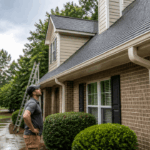
As you observe the walls of your home, pay particular attention to any cracks, splits, or gaps. These breaches can form gateways for water and pests, undermining the structural integrity of your abode. They’re especially prevalent around windows and doors, where siding is most vulnerable. Left unchecked, these cracks can lead to expensive repairs, which is why identifying them early on is vital.
Beyond the visible signs, your touch can also reveal hidden defects. Running your hands over the siding panels should not yield any soft, spongy spots. If it does, you may be dealing with rotting or decaying material—a clear sign that your siding is failing. Similarly, any loose or missing panels are telltale signs; if your siding can’t stay intact, how can it protect your home?
Maintaining Your Home’s Armor
When it comes to your home, the siding acts much like armor, shielding the interior from the elements. It’s critical not just to spot problems but to prevent them before they escalate. The presence of mold, mildew, or fungus on your siding shouldn’t be taken lightly, as it symbolizes excessive moisture retention, a precursor to more severe damage. A proactive approach in monitoring and addressing these issues is essential in protecting your investment.
If you’ve spotted troubling signs such as bubbling paint or blistered siding, immediate attention is required. This could point to water being trapped behind your siding, a situation that could quickly lead to structural challenges. For Fayetteville homeowners, inspecting the interior walls for moisture traces is also pivotal—any finding could suggest that exterior imperfections are allowing dampness to invade your domain. If such signs are noted, Roof-Tastic & Beyond Exteriors can offer expertise in siding repair and maintenance to fortify your home.
Step 1: Observe Discoloration and Warping
Inspect the siding panels for any unusual color fading, discoloration, or warping. These are often the first visual cues of siding damage, indicating problems such as water infiltration or exposure to harsh elements.
Step 2: Check for Cracks and Gaps
Examine the siding for cracks, splits, or gaps, especially where the siding meets windows and doors. These openings can let in water and pests, leading to further damage.
Step 3: Feel for Soft Spots
Gently press against the siding with your hand to feel for soft, spongy areas. Soft spots may suggest the presence of rot or decay underneath, which is a sign of failure.
Step 4: Look for Loose or Missing Panels
Evaluate the security of each siding panel. Any looseness or panels that have come off entirely can compromise the siding’s ability to protect your home.
Step 5: Monitor Mold, Mildew, and Fungus Growth
Keep an eye out for any growth of mold, mildew, or fungus on or around your siding, which can indicate that moisture is being retained — a precursor to siding degradation.
Step 6: Investigate Inside for Moisture or Leaks
Check the interior walls and insulation of your home for any signs of moisture or leaks that originate from the exterior walls, which might mean your siding is failing.
Step 7: Assess for Bubbling or Blistering
Bubbles or blisters forming on the surface of the siding can signal that water is trapped behind the panels, which can result in significant structural damage.
Step 8: Seek Professional Inspection
If you identify any of these issues, it’s essential to contact a professional for a thorough inspection to prevent more extensive damage and to decide the best course of action for repairs or replacement.
Steer Clear of DIY Siding Pitfalls
Do-it-yourself home repairs can be a source of pride and savings, but they also come with pitfalls that can turn a minor problem into a major one. When it comes to siding maintenance and repair, understanding what not to do is just as crucial as performing the task correctly. In the zeal to fix issues, homeowners often jump into siding projects without fully grasping the common mishaps that can lead to increased damage and costs.
Mistake 1: Ignoring Minor Discoloration
Many DIYers make the mistake of overlooking slight changes in siding color, not realizing that this can be the first sign of a deeper issue. This discoloration could stem from water infiltration or prolonged exposure to sun and rain. To avoid this error, address any color changes immediately, and assess for underlying causes.
Mistake 2: DIY Waterproofing Failures
Attempting to seal cracks and gaps without the proper materials or techniques can lead to improper waterproofing. This can result in the same, if not more, water and pests infiltrating the siding. Ensure you’re using the right sealants and follow proper application methods to protect your home effectively.
Mistake 3: Pressing Too Hard During Inspections
While checking for soft spots, applying too much pressure can damage the siding further, especially if it’s already weakened by rot or decay. Be gentle when inspecting and if soft spots are found, refrain from poking or prodding, as it could worsen the problem.
Mistake 4: Neglecting Loose Siding Panels
Failing to correctly secure loose or missing panels not only poses a risk to your home’s protection from the elements but also to its energy efficiency. Realign or replace the panels as soon as they are discovered to be loose to maintain the integrity of your home’s exterior.
Mistake 5: Overlooking Mold and Mildew
Don’t consider mold and mildew as just aesthetic issues; they’re indicative of moisture problems that can damage your siding’s structure. Treat mold and mildew promptly with appropriate cleaners, and take steps to mitigate the source of moisture.
By avoiding these common mistakes, you’ll be better equipped to maintain your siding’s longevity and keep your home secure and looking its best. Remember, while some issues can be tackled with a bit of DIY know-how, others necessitate the skilled hands of a professional. If you’re uncertain or the problem appears significant, don’t hesitate to reach out for expert help.
When to Seek Professional Help
The integrity of your home is too precious to leave to chance. While it’s beneficial for homeowners to recognize problematic signs of siding, there comes a point when professional assessment is essential. If your self-inspections reveal persistent issues or damage that seems beyond superficial repair, it’s time to seek help from expert siding contractors.
Acting swiftly can mean the difference between a simple fix and a complete overhaul. A professional can offer an in-depth analysis and the best solution to preserve your home’s value and appearance. Don’t hesitate to contact Roof-Tastic & Beyond Exteriors, your local experts in Fayetteville, GA, for an evaluation if you’re confronted with signs of siding failure.