The Bigger the Project.
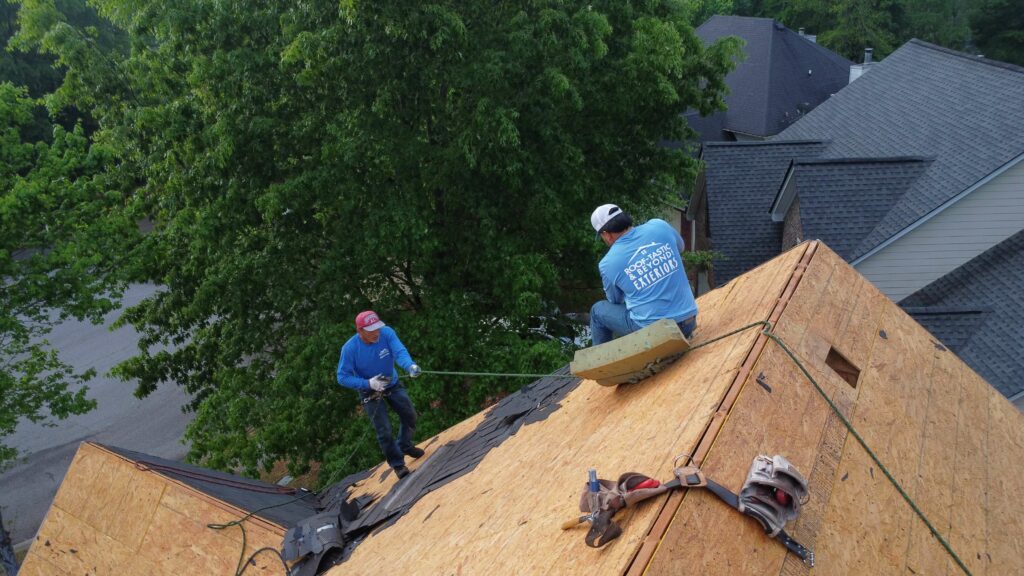
• Roof leaks often start with small issues like damaged shingles, worn flashing, clogged gutters, or cracked seals around vents. Catching these early can help stop water from spreading into ceilings, insulation, and walls.
• Spring weather in Jonesboro can make roof problems show up fast, especially after rain and wind. A quick roof check can help spot warning signs before a minor leak turns into costly damage.
• Simple habits like cleaning gutters, checking the attic, and watching for ceiling stains can help protect your home. Knowing the common causes of roof leaks at home makes it easier to act before damage gets worse.
Why Roof Leaks Need Fast Attention
Spring rain in Jonesboro can put a roof under stress fast, and small weak spots often show up when the weather turns wet. When homeowners ignore the early causes of roof leaks at home, water can move into insulation, ceilings, and walls before the problem is easy to see. That is why fast action matters, especially when a leak starts after a storm or a stretch of heavy rain. If you want to protect your home, we recommend checking out our roof leak repair service before the damage spreads.
Leaks often begin in places most people do not check often, like flashing, shingles, vents, and valleys. In many homes, wind-driven rain and worn roof parts work together to create a slow drip that turns into a bigger issue. Even a small stain on the ceiling can point to a much larger problem above it. The sooner we find the source, the easier it is to limit repair costs and protect the home.
Many homeowners wait until they see water inside, but that usually means the roof has already been affected for a while. Moisture can travel along wood and other materials before it finally appears in a room, which makes the true entry point harder to spot. In spring, that risk can rise because rain showers often come with strong winds and quick weather changes. Paying attention early helps us stop trouble before it grows.
What Usually Leads to Roof Leaks
The most common causes of roof leaks at home include damaged shingles, worn flashing, clogged gutters, and cracked seals around roof openings. Roofs in Jonesboro deal with seasonal rain, warm days, and quick weather shifts, and that mix can wear out materials over time. When parts loosen or break, water can slip through even if the roof still looks fine from the ground. Regular checks help us catch these issues before they become costly repairs.
A roof can also leak because of poor attic ventilation, old underlayment, or storm-related damage that was not fixed right away. We often see that the real issue is not one single problem, but a mix of small ones that build up over time. Our roof repair and maintenance services can help address these weak spots before they create more damage inside the home. The goal is to stop water at the source, not just cover up the signs.
Tips from the Pros
🔎 Tip 1: Check for missing or lifted shingles
Missing or lifted shingles are one of the clearest signs that water may enter the roof system. After a spring storm, take a quick look from the ground for uneven areas, broken edges, or shingles that no longer lie flat.
🌧️ Tip 2: Watch your ceilings after heavy rain
Water spots, bubbling paint, and soft drywall can point to hidden roof trouble. These signs often show up after storms, so it helps to look closely a few hours after the rain ends.
🛠️ Tip 3: Keep gutters clear and moving well
Clogged gutters can push water back toward the roof edge and raise the chance of leaks. Clean gutters help rain move away from the home the way they should.
🧱 Tip 4: Inspect flashing around roof edges
Flashing helps seal areas where the roof meets chimneys, walls, and vents. If flashing bends, rusts, or pulls away, water can get in during windy spring rain.
🏠 Tip 5: Look inside the attic for early signs
An attic can show moisture problems before the living space does. Check for damp wood, dark marks, or wet insulation after storms or long periods of rain.
🔧 Tip 6: Fix small issues before they spread
A tiny roof problem can grow quickly when spring weather stays wet. Repairing loose materials early can help prevent larger damage to the roof deck and interior spaces.
🌬️ Tip 7: Pay attention after strong wind
Wind can lift shingles, damage seals, and expose weak spots on the roof. Even if the storm was brief, it can still create the kind of damage that leads to slow leaks later.
📅 Tip 8: Schedule roof checks each spring
A seasonal roof check is a smart way to stay ahead of leaks. Spring in Jonesboro is a good time to spot wear from winter and prepare for more rain ahead.
Frequently Asked Questions
What are the most common causes of roof leaks at home?
The most common causes of roof leaks at home are damaged shingles, cracked flashing, clogged gutters, and worn seals around vents or chimneys. Storm damage and aging materials can also make a roof more likely to let water in.
How do I know if my roof is leaking?
Yes, there are clear warning signs, including ceiling stains, peeling paint, damp insulation, and musty smells in the attic. A leak may also show up as water dripping after rain or as dark marks that keep getting bigger.
Can a small leak turn into a bigger problem?
Yes, a small leak can turn into a major issue very quickly. Water can spread into wood, insulation, and drywall, which means the damage may be worse than what you see at first.
Why do roof leaks happen more often in spring?
Spring weather can bring frequent rain, strong wind, and sudden temperature changes, which put extra stress on roofing materials. Those conditions can expose weak spots and make existing roof problems show up faster.
Should I check my attic if I suspect a leak?
Yes, checking the attic is one of the best first steps if you suspect a leak. You may spot moisture, dark staining, or damp insulation before the problem becomes obvious inside the house.
Protect Your Home Before Damage Spreads
Knowing what causes leaks and spotting the warning signs early can save time, stress, and money. In spring, a roof needs extra attention because rain and wind can turn a small weak spot into a real problem. When we stay ahead of the issue, we protect both the roof and the home below it.
That is why regular care matters so much for homes in Jonesboro and the surrounding area. If you are seeing signs of trouble, acting early is the smartest move we can make. For more updates and helpful home care content, follow us on social media.