The Bigger the Project.
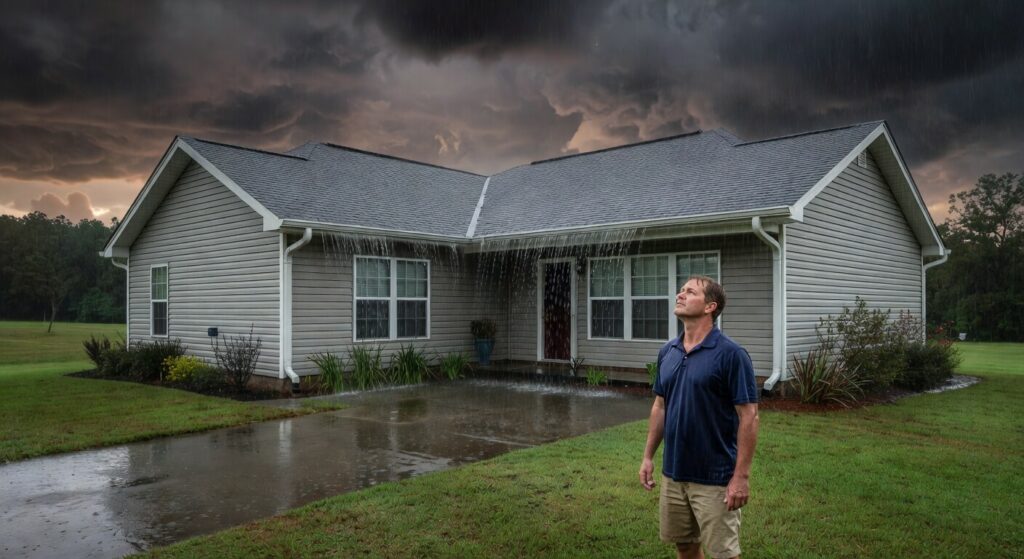
• Heavy rain can quickly expose weak gutters, leading to overflow, leaks, and damage to your roofline, siding, and foundation. Choosing the right system before storm season matters.
• The best gutter setup for heavy rain usually includes the right gutter size, proper slope, well-placed downspouts, and fewer leak-prone joints. Each part helps water move away from your home faster.
• A careful DIY check can help you spot clogs, weak spots, and drainage issues early, but common mistakes like ignoring slope or leaving downspouts blocked can make the problem worse.
Why Heavy Rain Exposes Weak Gutter Systems
When summer storms hit Jonesboro, weak gutters can turn a normal rain into a costly mess. Water that cannot move away from the roofline fast enough may spill over, soak the soil, and leave stains on siding and fascia. That is why choosing the best gutter systems for heavy rain matters before the next storm rolls in.
Many homes do fine in light rain, but heavy downpours expose every weak point fast. Clogged outlets, undersized gutters, and poor slope can all cause water to back up and overflow. If you want to protect your home, now is the time to pay attention to how your gutter system handles a strong storm.
At Roof-Tastic & Beyond Exteriors, we know how quickly rain can test a gutter system in Georgia’s summer weather. Our team sees the damage that happens when water is left to run where it should not. A strong system is not just about moving water; it is about keeping your home dry, safe, and ready for the season ahead.
What Makes a Gutter System Work Well
The right gutter setup depends on how much water your roof sheds and how quickly it needs to be moved away. Larger gutters can handle heavier flow, while well-placed downspouts help prevent pooling at the edges of the home. Seamless gutters also reduce the number of joints where leaks can start.
We often recommend paying close attention to both size and layout, since one weak part can affect the whole system. A system that fits the roof shape and local rainfall pattern will usually perform better during long summer storms. For many homes, the best gutter systems for heavy rain are the ones designed with the roof, slope, and drainage path in mind.
Step-by-Step Guide to Prepare Your Gutters
🔍 Step 1: Inspect the Gutter Line
Look along the full length of the gutters for sagging, gaps, rust, and debris buildup. These problems can slow water flow and make overflow more likely during a heavy storm. A careful inspection helps you spot trouble before rain exposes it.
🧹 Step 2: Clear Out Leaves and Dirt
Remove leaves, sticks, and packed sediment from the gutters and downspouts. Blocked channels are one of the most common reasons water spills over the edge instead of draining away. Clean gutters move rain faster and place less stress on the system.
📏 Step 3: Check Gutter Size
Make sure the gutters are wide enough to handle the amount of water your roof collects. Smaller gutters may work in light rain, but they can struggle when a summer storm sends water down quickly. Matching the gutter size to the roof and rainfall helps reduce overflow.
🔧 Step 4: Confirm Proper Slope
Gutters should have a slight pitch so water can move toward the downspouts. If the slope is off, water can sit in the channel and overflow during hard rain. Correct drainage depends on a steady path, not flat or uneven runs.
🚿 Step 5: Examine Downspout Placement
Check whether the downspouts are placed where they can carry water away from the home. Poor placement can leave water near the foundation, which increases the chance of damage over time. A good layout sends runoff far enough away to help protect the structure.
🛠️ Step 6: Look for Leaks at Joints
Inspect seams, corners, and end caps for drips or signs of staining. Even small leaks can become bigger problems once rain starts moving fast through the system. Sealed connections help the gutters stay effective during heavy weather.
🌧️ Step 7: Test the Flow During Rain
Watch how water moves through the system during a storm or during a safe water test. Slow spots, overflow, and spills show where the system is not handling the load well. Testing gives you a clear picture of how the gutters perform in real conditions.
📞 Step 8: Address Weak Spots Quickly
Fix damaged sections, loose hangers, or bad drainage paths as soon as you find them. Small problems often turn into larger repairs when summer rain keeps coming. Acting early helps keep the system ready for the next storm.
Common DIY Mistakes to Avoid
A lot of gutter problems get worse because the first signs are easy to ignore. DIY fixes can help with basic upkeep, but they also create risk when the system needs more than a quick patch. The most common mistakes usually come from skipping steps or underestimating how much water a summer storm can move.
If you are trying to keep your home protected, it helps to know where things usually go wrong. These mistakes often lead to overflow, leaks, or drainage issues that are harder to correct later. Avoiding them can save time and help the gutter system do its job when heavy rain arrives.
- ⚠️ Mistake 1: Skipping the Inspection
Many people start with cleaning and never check for sagging, leaks, or bad slope. This happens because the damage is not always obvious from the ground, and it is easy to assume the system is fine. Prevent it by inspecting the full gutter line before touching anything else. - ❌ Mistake 2: Leaving Downspouts Partially Blocked
Some homeowners clear the gutters but forget that downspouts can still hold debris. That usually happens when the blockage is deeper in the pipe and not visible right away. Prevent it by checking the full drainage path so water can move all the way out. - 🚫 Mistake 3: Using the Wrong Gutter Size
Installing or keeping gutters that are too small can lead to overflow during heavy rain. This often happens when the system was chosen without considering roof size or local storm patterns. Prevent it by matching the gutter size to the home’s drainage needs. - ⚠️ Mistake 4: Ignoring Poor Slope
Water that sits in the gutter instead of moving toward the outlet is a clear sign of trouble. People miss this because the gutter may still look usable from a distance. Prevent it by making sure the pitch supports steady water flow. - ❌ Mistake 5: Patching Leaks Without Fixing the Cause
Quick sealant jobs may cover a leak, but they do not always solve the reason it started. This usually happens when the real issue is a loose joint, rust, or stress from overflow. Prevent it by finding the source first and repairing the weak point properly.
Frequently Asked Questions
What are the best gutter systems for heavy rain?
The best gutter systems for heavy rain are usually larger seamless gutters with well-placed downspouts and a proper slope. They help move water quickly away from the roof and foundation, which lowers the chance of overflow during summer storms.
How do I know if my gutters are too small?
Your gutters may be too small if water spills over the edge during strong rain or if you see frequent overflow at the corners. A system that cannot keep up with runoff in heavy weather often needs a bigger size or a better drainage layout.
Why do gutters overflow during heavy rain?
Gutters overflow when they are clogged, undersized, or set at the wrong pitch. Heavy rainfall can expose these issues fast, especially if the downspouts cannot move water away quickly enough.
Are seamless gutters better for heavy rain?
Yes, seamless gutters are often a strong choice for heavy rain because they have fewer joints where leaks can start. They can still overflow if they are clogged or poorly sized, but they usually give water a smoother path out of the system.
How often should I check my gutters in summer?
You should check your gutters regularly during summer, especially after storms or periods of heavy wind. In rainy weather, small blockages can form quickly and lead to overflow before you notice a problem.
Final Thoughts on Protecting Your Home
Choosing the right gutter setup can make a real difference when summer rain hits Jonesboro hard. A system that is sized well, pitched correctly, and kept clear can help protect your roof, siding, and foundation from avoidable damage.
If you want to stay ahead of the weather, the key is to act before the next storm tests your home. At Roof-Tastic & Beyond Exteriors, we take pride in helping local homeowners make smart choices for long-term protection, and you can follow us on social media.