The Bigger the Project.
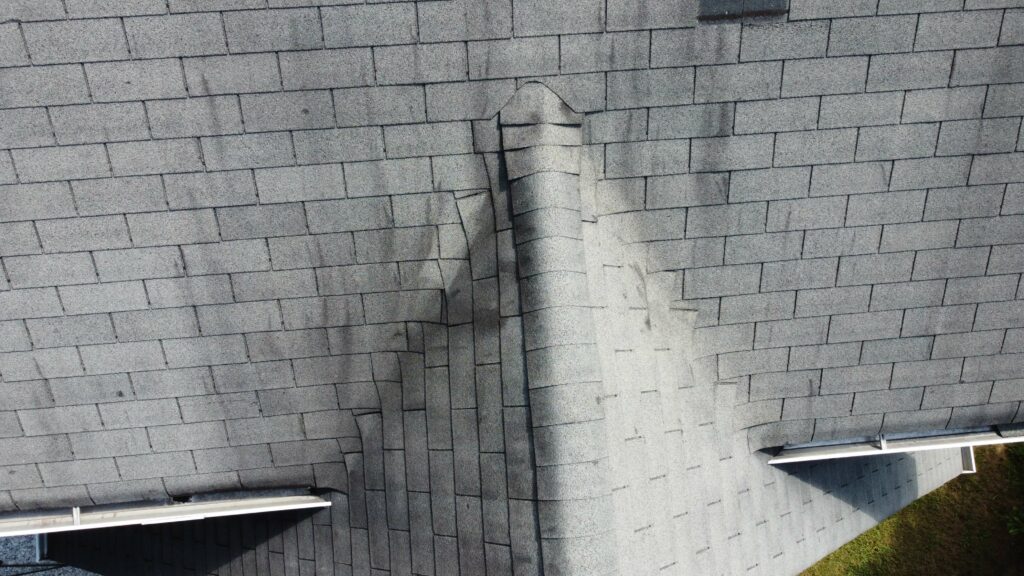
• Spring storms in Hogansville can cause roof damage that is not always easy to see right away, so fast action matters. Early checks for missing shingles, dented flashing, leaks, and clogged gutters can help stop small problems from becoming costly repairs.
• The best time to handle storm damage restoration in early spring is right after the weather clears, before more rain rolls in. A careful inspection can reveal hidden issues inside the roof system, especially around vents, flashing, and other weak spots.
• Simple steps like checking for water stains, watching for granules in gutters, and getting help quickly can protect your home. These tips can help homeowners make smart decisions and keep their roof ready for the rest of the season.
Why Early Spring Storm Damage Needs Fast Attention
When the weather shifts in Hogansville, spring storms can leave behind damage that is easy to miss at first glance. A few loose shingles, small leaks, or dented flashing can turn into bigger problems if we wait too long. That is why storm damage restoration in early spring matters so much for local homes. If you want help getting started, our storm damage repair services can help protect your roof before the next round of bad weather hits.
In early spring, rain can keep coming back fast, and damaged roof parts do not always have time to dry out. Water can work its way under shingles, spread into the deck, and show up inside your home later. That is why a quick check after a storm can save time, money, and stress. We know how important it is to catch problems before they grow.
Even small damage can be a warning sign that your roof needs care right away. Missing pieces, lifted edges, and granule loss can leave your home open to leaks during the next storm. With storm damage restoration in early spring, the goal is to stop hidden issues before they become major repairs. A fast response gives your roof a better chance to stay strong through the season.
How We Spot Roof Problems After Spring Storms
After a storm, we start by looking for the areas that take the most impact, like shingles, flashing, vents, and gutters. We also check for signs that water has entered the roof system, such as stains, soft spots, or damaged attic materials. Some problems are easy to see from the ground, but others need a close look to find. A careful inspection helps us decide what needs repair now and what may need follow-up later.
In many cases, storm damage does not look dramatic, but it can still cause real trouble over time. Hail can bruise shingles, wind can lift edges, and heavy rain can expose weak spots that were already there. When we handle storm damage restoration in early spring, we focus on stopping the damage from spreading and helping the roof shed water the way it should. That is especially important in a place like Hogansville, where spring weather can change fast.
Tips from the Pros
🌧️ Tip 1: Check for damage after every strong storm
Look over your roof as soon as it is safe after heavy rain, hail, or wind. Small issues are easier to handle when we catch them early, before another storm makes them worse.
🔎 Tip 2: Watch for missing or lifted shingles
Shingles that are loose, curled, or gone can let water reach the layers below. Even a few missing shingles can lead to leaks during the next spring storm.
🛠️ Tip 3: Look for stains inside the home
Water spots on ceilings or walls often mean the roof has already been affected. These signs can show up days after the storm, so they should not be ignored.
📋 Tip 4: Keep an eye on gutters and downspouts
Storm debris can clog drainage and send water back toward the roof edge. When gutters are blocked, the roof may face extra water in the areas that are already weak.
🏠 Tip 5: Inspect flashing around roof openings
Flashing around chimneys, vents, and skylights can loosen during strong spring winds. If that seal breaks, water can move in quickly during the next rain.
🌤️ Tip 6: Do not wait for a leak to appear
A roof can be damaged even when the inside still looks dry. Early storm damage restoration in early spring helps us fix the problem before it reaches your living space.
🔧 Tip 7: Pay attention to granules in the yard or gutters
A buildup of shingle granules can mean the roof took a hit from hail or age. When too many granules are lost, the shingles may not protect your home as well.
📞 Tip 8: Get help quickly after a storm
Fast action can limit water damage and keep repair needs from growing. A prompt inspection gives us a better chance to protect the roof before the weather shifts again.
Frequently Asked Questions
What should I do first after spring storm damage?
Yes, the first step is to check for visible roof damage from the ground and look for signs of leaks inside the home. If you see missing shingles, dents, or water spots, contact a roofing professional quickly for an inspection.
How do I know if my roof needs storm damage restoration in early spring?
Yes, if your roof has lifted shingles, flashing damage, leaks, or debris impact after a storm, it likely needs attention. storm damage restoration in early spring is important because even minor damage can get worse with more rain and wind.
Can storm damage be hidden from view?
Yes, roof damage is often hidden under the surface and may not be obvious right away. Water can slip under shingles or around flashing and cause problems before you notice anything inside.
Why is early spring a risky time for roof damage?
Yes, early spring often brings repeated rain, wind, and sudden weather changes that can expose weak spots on a roof. If damage is already present, those conditions can speed up leaks and make repairs more urgent.
What are common signs that a storm affected my roof?
Yes, common signs include missing shingles, dented metal parts, loose flashing, ceiling stains, and granules collecting in gutters. These signs often point to the need for storm damage restoration in early spring before more water gets in.
Protect Your Roof Before The Next Spring Storm
Spring storms can move fast, and roof damage can spread just as quickly if we do not act early. By checking for warning signs and taking repairs seriously, we can help protect your home from bigger problems later. The sooner we respond, the easier it is to keep your roof in good shape through the season.
If your roof has been hit by rough weather in Hogansville, we are here to help you move forward with confidence. We bring local experience, careful work, and a focus on protecting what matters most to your home. For more updates and project insight, follow us on Instagram.