The Bigger the Project.
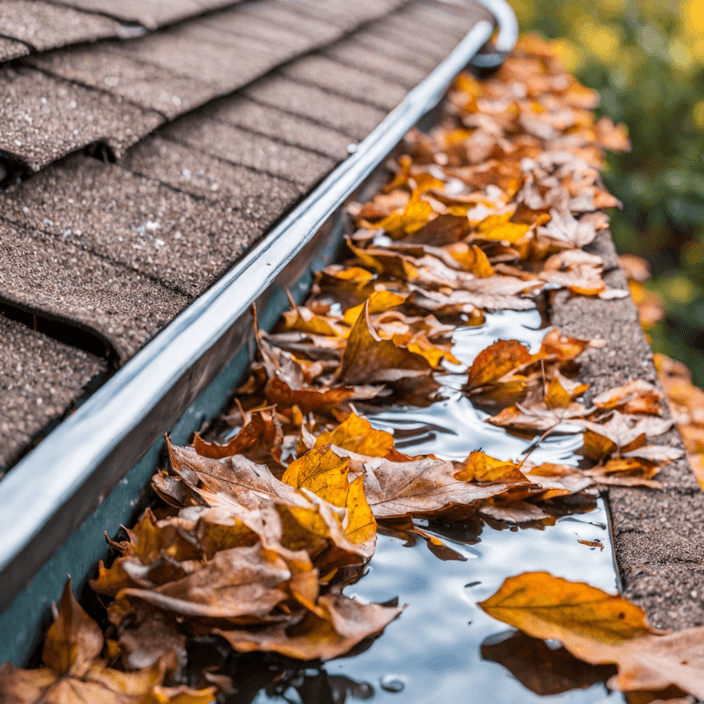
- Winter gutter protection helps stop clogs, overflow, and water backup before they lead to roof edge damage, siding stains, or foundation trouble.
- Simple maintenance steps like clearing debris, checking slope, and testing downspouts can help your gutter system handle cold rain and changing winter weather.
- A few common DIY mistakes can make gutter problems worse, so knowing what to watch for helps protect your home more safely and effectively.
Why Winter Gutter Protection Matters
Winter in Marietta can bring cold rain, sharp temperature drops, and the kind of wet weather that puts extra stress on your home. When gutters fill up with leaves, sticks, and grit, water has a harder time moving away from the roof and walls. That is when small drainage issues can turn into costly damage fast. Understanding gutter protection benefits in winter helps us stay ahead of problems before they start.
A blocked gutter can trap water near the roof edge, where it may freeze and thaw over and over again. That cycle can wear down materials and create the kind of moisture issues homeowners want to avoid. We often see that regular upkeep matters most when the weather is least forgiving. If your home needs help staying ready for the season, our gutters and downspouts service can help keep water moving the right way.
The good news is that winter gutter care does not have to feel overwhelming. A few smart steps can make a real difference in how well your home handles rain, runoff, and cold snaps. When we focus on prevention, we protect more than the gutters themselves. We also help guard the roof, siding, foundation, and peace of mind.
How Gutter Protection Helps in Cold Weather
Gutter protection works by keeping debris out while still letting water flow through the system. That matters in winter because clogged gutters can cause overflow, ice buildup, and water backup along the roofline. In Marietta, where winter weather can shift quickly from mild to cold and wet, that added protection gives your home a better chance to stay dry.
We know that many homeowners only think about gutters when water starts spilling over the edge. The better move is to check them before that happens and make sure the system is ready for seasonal stress. Proper care also helps reduce the chance of water collecting near fascia boards, exterior walls, and walkways. That is why gutter protection benefits in winter are about more than convenience; they are about keeping your home safer from moisture damage.
Step-by-Step Winter Gutter Protection
🧹 Step 1: Clear Out Debris
Start by removing leaves, twigs, and dirt from the gutters and downspouts. Debris blocks water flow and can quickly lead to overflow when winter rain arrives. A clean system gives water a clear path away from the home.
🔍 Step 2: Check for Standing Water
Look for water that sits in the gutter after cleaning or rainfall. Standing water can point to clogs, weak slope, or drainage trouble that may get worse in cold weather. Fixing this early helps prevent freeze and thaw problems later.
🪜 Step 3: Inspect the Gutter Slope
Make sure the gutters are pitched so water moves toward the downspouts. If the angle is off, water can pool instead of draining the way it should. That extra moisture raises the risk of damage along the roof edge.
🔧 Step 4: Secure Loose Sections
Check for sagging, gaps, or fasteners that have pulled away from the house. Loose sections can let water escape and make the whole system less effective. Tightening these areas helps the gutters do their job during winter storms.
🛡️ Step 5: Examine Gutter Guards or Covers
If guards are already installed, make sure they are not bent, clogged, or detached. Gutter guards work best when they stay in place and allow water to pass through without catching debris. A quick check now can save time and trouble later.
💧 Step 6: Test Downspout Flow
Run water through the gutters and watch how it moves through the downspouts. Slow flow or backup usually means there is still a blockage somewhere in the system. Testing the flow helps confirm that the whole setup is ready for winter weather.
🏠 Step 7: Look for Roof Edge Trouble
Inspect the roof edge, fascia, and nearby siding for signs of water staining or wear. These spots often show the first signs that gutters are not draining properly. Catching these clues early can prevent more serious repairs.
📅 Step 8: Recheck After Heavy Weather
After a storm or a period of strong wind, take another look at the gutters. Winter weather can shift debris, loosen parts, or create new clogs very quickly. A follow-up check helps keep the system working through the season.
Common DIY Mistakes to Avoid
Many homeowners try to handle winter gutter care on their own, but a few simple errors can make the job less effective. These mistakes often happen because the damage is not always easy to see from the ground. Knowing what to avoid helps us protect the home more reliably.
- ⚠️ Mistake 1: Waiting Until Water Overflows
This happens when cleaning is delayed until the gutters are already full and spilling over. It often comes from thinking the system only needs attention after a problem appears. To prevent it, check gutters before winter weather gets heavy and again after major storms. - ❌ Mistake 2: Ignoring Downspouts
Some people clean the gutters but forget that downspouts can also clog with leaves and dirt. This usually happens because the downspouts are out of sight, so they get less attention. Prevent it by testing water flow all the way through the system. - 🚫 Mistake 3: Overlooking Loose Fasteners
Loose brackets and sagging sections can cause water to pool or spill in the wrong places. This is often missed because the issue may look small at first. Prevent it by checking that every section is firmly attached and properly pitched. - ⚠️ Mistake 4: Leaving Damaged Guards in Place
Bent or clogged gutter guards can restrict water instead of helping it move through. This usually happens when homeowners assume guards do not need any inspection once installed. Prevent it by looking closely at the guards and clearing or repairing them as needed. - ❌ Mistake 5: Skipping Roof Edge Checks
People often focus only on the gutters and miss signs of trouble near the fascia or roofline. This happens because those areas are easy to overlook during a quick cleanout. Prevent it by checking the nearby surfaces for staining, soft spots, or water marks after maintenance.
Frequently Asked Questions
Why are gutter protection benefits in winter important?
Yes, gutter protection benefits in winter are important because they help keep water moving away from the home when weather is cold and wet. They also reduce the chance of clogs, overflow, and ice-related damage that can affect the roof and exterior walls.
How often should we clean gutters during winter?
Yes, gutters should be checked regularly during winter, especially after heavy rain, wind, or falling debris. In many cases, a quick inspection after major weather changes is enough to catch problems before they grow.
Can clogged gutters really damage a roof?
Yes, clogged gutters can damage a roof by sending water back toward the roof edge and under nearby materials. That can lead to leaks, wood damage, and wear along the fascia and siding.
Do gutter guards stop all winter problems?
No, gutter guards do not stop every winter issue, but they do help reduce debris buildup and improve water flow. They still need to be checked because dirt, wear, and shifting weather can affect how well they work.
What is the biggest sign our gutters need attention?
Yes, one of the biggest signs is water spilling over the side during rain. Other warning signs include pooling near the foundation, sagging sections, or stains along the roof edge.
Stay Ahead of Winter Gutter Trouble
Winter gutter care is one of the simplest ways to protect a home from avoidable damage. When we stay ahead of clogs, flow problems, and roof edge wear, we give the entire exterior a better chance to hold up through the season. That is the real value of acting early and staying consistent.
The right routine can save time, limit stress, and help your home handle Marietta’s winter weather more confidently. If you want to keep up with our latest work and home care updates, follow us on social media.