The Bigger the Project.
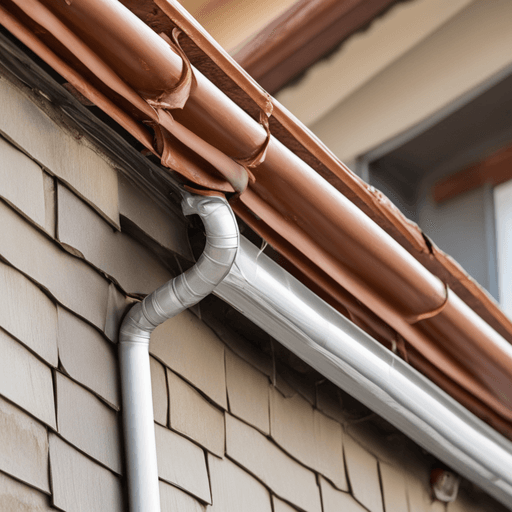
• Understanding Gutter Systems: Learn the basics of how gutters and downspouts efficiently manage rainwater, protecting your home from water damage.
• DIY Inspection Tips: Get step-by-step guidance on inspecting your gutter system for common issues that can lead to costly repairs.
• Professional Services: Discover the benefits of professional gutter maintenance and when it’s time to call the experts for help.
Recognizing the Red Flags in Your Gutter System
Gutters and downspouts are your home’s silent protectors against the pervasive issues caused by uncontrolled rainwater. As fall approaches in Avondale, it’s crucial to heed the warning signs of a failing gutter system. Stains on your siding or the presence of mildew can often indicate overflow and leaks. It’s these subtle signals that suggest your gutters are struggling to manage the water they’re meant to channel away.
When Gutters Cry Out for Attention
Overflowing water during rainstorms is a blatant cry for help from your gutters, one that shouldn’t be ignored. Sagging gutters or gutters pulling away from the house are clear visual cues—these symptoms often point to blockages or damage that impede proper function. Listen for the sound of dripping or watch for pools forming at your home’s foundation; these are often the first signs that downspouts are failing to divert water effectively. Keep in mind, these issues left unattended can quickly escalate, leading to more serious structural damage.
Maintaining a Clear Path for Rainfall
Before the rainy season takes its full toll, taking the time to clear your gutters and downspouts is imperative. A glance at the heft of accumulated leaves, twigs, and debris especially after the leaves fall, can be enough to gauge whether a cleaning is overdue. This clutter not only hampers water flow but can also attract pests or lead to unwanted water retention and ice damming as colder weather sets in. Simple preventative measures taken now can deftly avert water damage to your home’s exterior and foundation.
Step-by-Step Gutter and Downspout Maintenance
When it comes to preventing gutter and downspout woes, a proactive approach is your best defense. Begin with a thorough inspection—eyeing up for any rust, cracks, or separations that could impair the system’s integrity. Pay special attention to the seamed areas, as these tend to be the first to succumb to wear and tear. If you’re unsure about what to look for, consider enlisting the help of professionals from Roof-Tastic & Beyond Exteriors, who are well-versed in spotting and remedying such problems.
The Cleanup Routine
After a good inspection, the next step is a meticulous cleanup—the cornerstone of gutter maintenance. Equip yourself with gloves, a reliable ladder, and a garden hose; first, manually remove the larger debris, and then flush the gutters with water to clear out the smaller particles. As you work your way along the gutter’s length, be mindful of maintaining balance on the ladder to ensure your safety. Lastly, inspect the flow, ensuring water exits the downspouts smoothly, a sign of a job well done and an intact system.
Step 1: Understand Your Gutter System
Learn the basics of how gutters and downspouts operate to channel water away from your home. Gutters catch rainwater from the roof and downspouts direct it away from the foundation.
Step 2: Inspect Gutters and Downspouts
Examine your gutters and downspouts for any signs of blockage or damage. Ensure they’re attached firmly to your home.
Step 3: Clear Debris from Gutters
Remove leaves, twigs, and any other debris that could potentially clog your gutters, especially before the rainy season begins in fall.
Step 4: Check for Proper Slope
Ensure that your gutters are sloped correctly towards the downspouts for optimal water flow.
Step 5: Ensure Downspouts Discharge Properly
Verify that water is being effectively guided away from your home’s foundation by downspouts.
Step 6: Install Gutter Guards
Consider installing gutter guards to help prevent leaves and debris from entering the gutter system, reducing maintenance needs.
Step 7: Conduct Regular Maintenance
Schedule regular inspections and cleaning, at least twice a year, to ensure your gutters and downspouts work efficiently.
Step 8: Address Repairs Promptly
If you discover any damage or issues, address repairs promptly to prevent further complications with your home’s exterior drainage system.
Common DIY Gutter Maintenance Mistakes to Avoid
DIY gutter maintenance can be satisfying, but it’s easy to fall into traps that could lead to bigger problems down the line. Ensuring your gutter system is in top shape requires attention to detail and avoiding some common pitfalls. Here are the missteps often made by homeowners, and how staying informed can save you from unnecessary headaches.
Mistake 1: Ignoring Gutter Slope
Many DIYers overlook the importance of gutter slope, which is crucial for proper drainage. Gutters should descend slightly towards downspouts, with a general guideline being a quarter of an inch drop for every ten feet of gutter. Installing gutters without this slope can result in standing water, which invites pests and may cause corrosion and leaks.
Mistake 2: Neglecting Regular Inspections
Failing to inspect gutters regularly is a recipe for problems. Without routine checks, blockages and damage can go unnoticed until they cause significant issues. Experts recommend inspecting gutters at least twice a year—once in the spring and once in the fall after the leaves have fallen.
Mistake 3: Forgetting to Secure Downspouts
Downspouts often become loose or detached, a scenario sometimes ignored during routine maintenance. Yet, improperly secured downspouts fail to direct water away from your home, risking foundation water damage. Make certain that downspouts are firmly attached and discharging at least three feet away from your home’s foundation.
Mistake 4: Improper Debris Removal
While cleaning gutters, it’s tempting to just scoop out the visible debris and call it a day. However, flushing the gutters with a hose after removal is key to clearing out finer materials. Without a complete cleaning, small particles can accumulate over time, leading to clogs and overflow.
The Importance of Gutter Slope and Downspout Positioning
Correct gutter slope and downspout positioning are pivotal for a fully functional system. When these elements are not properly aligned, water can pool in the gutters, leading to premature wear or even facilitating leaks into your home. Ensuring your gutters have just the right angle for consistent water flow is a critical step covered by the specialists at Roof-Tastic & Beyond Exteriors.
Guarding Against the Elements
Gutter guards and regular maintenance are essential practices for a hassle-free gutter system. These guards save time and improve safety by reducing the need for frequent cleanings. Moreover, with Avondale’s fall leaves no longer a concern, your gutters can then operate at their maximum efficiency.
Visit us through our social media page for up to date news and new projects we’re working on.